Imagine walking alone late at night along a lonesome dark avenue with a church yard full of teetering gravestones on one side of you and the jagged remains of a crumbling church on the other. Ahead of you in the gloom, you see a white figure glowing eerily, cavorting and striking dramatic poses while emitting melancholy groans.
He seems to be draped in a white sheet and covered in luminous paint. He’s sporting devil horns and wearing an animal mask. Perhaps it’s someone having a drunken lark, you think. But could it be a maniac who means you harm – why else would he be lurking among the tombs in the dead of night? Or, quite possibly, the dark gloomy atmosphere and your jangling nerves convince you that it’s a spirit from beyond the grave…
What would you do? It would take courage to continue on your way, ignoring the prancing, moaning figure in white. Would you turn and run? Would you assume it’s a prankster and attempt to pull off his ghostly disguise and deliver a punch to the miscreant’s nose?
This is a dilemma faced by countless individuals throughout the nineteenth and early twentieth century when such ghost hoaxes were ubiquitous. The practice of ‘playing the ghost’ as the press called it was so common that almost every town in the country suffered from it regularly. These hoaxes are a strange but largely forgotten slice of weird history, and one that’s fascinated me for a long time.
Perhaps because of the lengthening nights, these hoaxes would often begin around Halloween, escalate over November before peaking around Christmas and New Year. We love ghost stories at Christmas, so this was the ideal time for newspapers to pick up on the ghost rumours, but also to exaggerate and sensationalise them. It’s these bizarre and darkly comic festive ghost hunts, ghost hoaxes and ghost panics that I’ve unearthed for my book Phantoms of Christmas Past.
Playing the Ghost
A classic example of one of these hoaxes is the story of the Hammersmith Ghost. Towards the end of 1803 a prankster had been scaring the citizens of West London by jumping out on them at night wearing a white sheet or an animal skin. Some of the ghost’s victims were so shocked that they were driven mad and never recovered, or so the press informed us.
As news of the ‘ghost’ spread, many were afraid to venture out at night and extra patrols of watchmen and vigilantes were organised. Other pranksters were inspired by what they read in the papers and carried out copycat hoaxes. On Christmas Day 1803, a coachman driving past a Hammersmith field saw a ghostly figure in white that was covered from head to foot in pigs’ bladders filled with dried peas – a common but grisly children’s toy at the time. The bladders rattled eerily as the ghost pranced and struck melodramatic poses, causing the coachman to flee in terror. Other accounts talked of the ghost breathing fire or vanishing into the ground.
As Christmas gave way to New Year, a febrile hysterical panic gripped Hammersmith, and that’s when events turned tragic.
After a night of drinking, excise man Francis Smith decided to confront the ghost on 3 January 1804. Waiting on the dark winter streets, Smith eventually came across a white clad figure and asked it to identify itself. When no reply came, Smith pulled out a fowling gun and fired. He had killed innocent bricklayer Thomas Milward, who was wearing the white clothing that was typical of his profession.
Francis Smith confronts the ‘ghost’
Francis Smith was found guilty of murder and sentenced to death, though was soon after pardoned. The Hammersmith ghost pranks were later blamed on shoemaker John Graham who admitted to dressing in a scary white costume to exact revenge on his apprentice for terrifying his children with spooky stories. Graham was certainly not the only ghost hoaxer at work in Hammersmith, but he was a convenient scapegoat which allowed the panic to dissipate.
Ghost Panics: Playing the Ghost goes Viral
The story of the Hammersmith Ghost demonstrates how these ghost hoaxes could escalate into full-blown panics where people were afraid to walk the streets at night and well-meaning but not particularly sober vigilante groups were often formed. In some cases, such as when the Hammersmith Ghost made a comeback around Christmas 1824, burley young men walked the night streets dressed as women to try and honeytrap the ghost into attacking them. These cross-dressing ghost hunts were fairly common in the nineteenth century when ghost pranksters were at work, and were probably more of a drunken lark than a serious attempt to catch the ghost. However, if a ghost was caught, he would likely be badly beaten and perhaps dumped in a nearby river, canal or sewer. There was a great deal of anger directed against these hoaxers and the Hammersmith Ghost panic shows how things could easily turn ugly if you were in the wrong place at the wrong time.
Ghost Busters
On many occasions, the vigilantes would be joined by hundreds of enthusiastic ghost hunters who’d heard rumours or read press reports about the ghost and wanted to be part of the fun. This sometimes created the conditions for what I’ve called the ghost hunting flashmob – spontaneous gatherings of enthusiastic, mischievous, and probably inebriated amateur psychic investigators.
This is what happened in Islington in 1899. A letter by someone calling himself James Chant was printed in the Islington Gazette and claimed that a ghost had been seen on Christmas Day haunting the graveyard of Saint Mary’s church. Soon, hundreds of people congregated in the churchyard and had a riotous time making uncanny noises, screaming, chasing one another among the tombs and pretending to be ghosts. The press called it ‘a vulgar riot’ and noted that many of the ghost hunting revellers returned home with their watch or wallet missing. The press speculated that the rumour had been started deliberately by thieves who would find it very easy to pick the pockets of the drunk and jostling crowds that would inevitably rush to the site of the supposed haunting.
Hackney Churchyard ghost hunt 1895
A beautiful example of Christmas ghost flashmobs involves the splendidly monikered Clanking Ghost of East Barnet. When accounts of this skeletal figure in his long cloak appeared in the press in the Christmas of 1926, it sparked not only a discussion in the local council over whether watchmen guarding haunted locations should be paid extra, it also led to thousands of ghost hunters descending on East Barnet every Christmas well into the 1940s. The ghost was said to be that of Sir Geoffery de Mandeville, a rebel baron who died in 1144, and it was the metallic rattling of his armour that gave him his nickname of the Clanking Ghost of East Barnet.
The Clanking Ghost of East Barnet
Serious psychic investigators and spiritualists descended on the town every year hoping to make contact with Sir Geoffrey, but hordes of rowdy ghost hunters full of the Christmas spirit blocked the roads and foiled their attempts.
These Christmas ghost hunts, hoaxes and panics combine local folklore, trickery, comedy and tragedy. They still have something to teach us about how the media uncritically spread gossip and rumours and how easily populations can be swept up in panics. But these little-known episodes also reflect our love for scary stories, our penchant for mischief and riotous festive merriment.
Christmas 1877 at Storrs Hall was not a merry one at all. The gloomy house, which stood in the hamlet of Storrs on the moors between South Yorkshire and Derbyshire, was tormented by a restless and destructive presence. The Storrs Ghost, as it was dubbed by the press, became a sensation as hundreds came to investigate this window smashing poltergeist…
Storrs Hall, as hallucinated by our AI overlords
The Ghost of Storrs Hall
Storrs Hall was occupied by Mr and Mrs Ibbotson and their fourteen-year-old servant girl Anne Charlesworth, though a milk maid and farm labourers were also employed to work on the farm. It was around Christmas 1877 that life at the Hall took a turn for the weird.
Inexplicable rappings were heard throughout the farm. The nervous farm hands had probably heard rumours of ghostly activity in the house. On one occasion a farm hand and a milkmaid heard banging on the farm door, but when they opened it, no body was to be seen. They fled the house in terror. Later, one of the farm labourers stood in wait behind the door so that if a human culprit was responsible, he would be sure to catch them. Still the rapping happened, though the man saw nothing.
As well as the odd noises scaring the staff, the washing line would be mysteriously cut and the clothes flung out into the road.
But it seems this ghost really loved the sound of breaking glass. Windows would smash without warning in different parts of the house. When the glazier came to repair a window, it would almost immediately be broken again. Whenever any of this this happened, farm hands would grab their hayforks and go tearing around the farm hoping to catch a prankster, but they never found a sign of any human involvement.
When news of the strange events spread round the area, many locals concluded that the house was haunted. As was common in the nineteenth and early twentieth centuries, crowds went to see the house they’d heard about in local gossip or read about in the press. There they might share their own spooky experiences and theorise about the supposed ghost. It’s very likely, especially at Christmas, that they were full of the spirits of the season, and these impromptu ghost hunts could sometimes become riotous, though thankfully this did not happen at Storrs. Nevertheless, a large number of men patrolled the farm grounds with stout sticks, but the destructive presence evaded their searches and carried on its mischief.
Storrs Hall was owned by Mr Thomas Wragg, an industrialist who had made his fortune in the local firebrick industry, and after witnessing the mysterious window smashing for himself, offered a ten-shilling reward for information as to who was responsible.
Within a week of the troubles starting, Mrs Ibbotson was too afraid to sleep in the house and would only enter it with a policeman present.
Poltergeist Cluedo
Seargent Hobson of Hillsborough police station was sent to Storrs Hall to investigate, so let’s join him in a game of poltergeist Cluedo. Who was responsible for the destructive spooky pranks that were terrifying the maids and farmhands of Storrs Hall? Seargent Hobson noticed that the windows appeared to have been broken from the inside, and suspicion fell on servant girl Ann Charlesworth. She denied everything.
Then she admitted that she may have broken one of the windows but was certainly not responsible for everything else.
Finally, and sobbing bitterly, Anne confessed that she was indeed the ghost. It all started when she rapped on the barn door while a servant was milking a cow and scared him silly. She was somewhat taken aback as to how successful her little prank had been. She went on to cutting the washing line, banging on doors and throwing stones through windows. The Seargeant was astonished at the girl’s cunning and ingenuity in evading capture.
Anne Charlesworth expressed remorse at her actions and promised not to do it again, though it seems likely that she would have lost her position and returned to her parents in Deepcar.[i]
Poltergeist pranks were commonly played by servant girls in the nineteenth century and beyond. I suspect they still are. Men and boys carried out ghost hoaxes too, though they had more freedom to do so outside the home, usually by donning a white sheet or scary costume and jumping out on strangers in the dark. For more on this bizarre phenomenon, see my new book, Phantoms of Christmas Past: Festive Ghost Hoaxes, Ghost Hunts and Ghost Panics.
Available for pre-order wherever you get your books from!
Some scholars might see cases like Anne’s as an act of protest against a repressive patriarchal society, or something along those lines. And perhaps it was an act of rebellion on Anne’s part – she was clearly intelligent (or at least deceptive and cunning) and her talents may have been wasted in Storrs Hall, or so she might have felt.
Folklorists might say she was engaging in ostension, the acting out of legends in real life. Indeed, the Hall had a reputation for being haunted (according to one anonymous old man mentioned in a newspaper). But this doesn’t really address Anne’s motive.
Psychic investigators might say that young girls are more likely to exhibit telekinetic powers, and that’s why poltergeist cases frequently involve their presence. However, there are very many cases where maids, servants and young family members have confessed or been caught in the act of faking poltergeist activity. There is a longstanding belief in investigators of psychic phenomena that a silly young girl could never pull the wool over their eyes. They are wrong.
Some people are mischievous and enjoy scaring people then watching the drama unfold. Perhaps what starts as a joke suddenly takes on a life of its own and spirals out of control. Poltergeist scares often led to huge crowds of rowdy, drunk amateur ghost hunters swarming round the supposed haunted house
When Anne first terrified the hapless servant as he milked a cow, she made a shocking discovery that is important to understanding episodes like this. Fooling people is easy.
The Storrs Ghost featured in the Illustrated Police News 19 January 1838
Epilogue
An interesting little footnote to this story comes in the form of a letter from someone signing himself as J.A.G. and printed in the Sheffield Independent in early January at the height of press interest in the Storr Ghost.[ii]
His friends had for some time been complaining about the incessant ringing of their doorbell and they suspected it was a gang of young lads up to no good. Others in the household thought it was spirit activity and were greatly alarmed. Nevertheless, the author of the letter volunteered to watch outside the house, and if anyone tried to ring the doorbell, he could pounce on them.
As he waited, the bell started clanging, so he ran to the door to find nobody in sight. He searched the garden to no avail. This seemed to confirm to some of the residents that there was something supernatural afoot. The ringing continued night after night, with the young servant girl frequently having to trudge all the way from the kitchen, where the bell was, to the front door only to find no one there.
The author immediately suspected the servant girl who denied everything, and her employers scorned the accusation. However, when the intrepid author investigated the kitchen, he noticed suspicious marks on the wall near the bell. Furthermore, whitewash from the wall was on the handle of a broom standing nearby. He suspected the girl had been hitting the bell with the broom handle and confronted her with the evidence. She once more denied everything but left her employment soon after.
However, the family later discovered that the servant had indeed been the culprit but was aided by her boyfriend who sometimes rang the bell from outside before running away. This meant that the family would have heard the bell ring when the girl was in the room with them and so removed suspicion from her.
[i] ‘A ghost at Sheffield’, North Derbyshire and North Cheshire Advertiser, 12 January 1878, p.2: ‘The latest ghost story’, Wakefield Free Press, 12 January 1878, p.5; ‘A Yorkshire Ghost’, Illustrated Police News 19 January 1878, pp.1-2
[ii] J.A.G. ‘The Ghost at Storr Hall’, Sheffield Independent, 8 January 1878, p.8
My new book is available for pre-order wherever you get your books from and will be out at the end of August. More details and reviews below…
Some advanced reviews:
Folklore, spooky legends, weird experiences, ghost hoaxes, and riotous drunken ghost hunts all collide in a unique darkly comic book of true Christmas ghost stories…
I’m really excited about this coming out. If you liked Weird Calderdale, then you’re sure to enjoy this. Or buy it as a Christmas present for your weirdest friend….
In the summer of 1904, the village of Up Holland in Lancashire was in the grip of a ghost fever. A destructive poltergeist hurled lumps of mortar, stones and weighty tomes around a haunted bed chamber, and adventurous local councillors, police and spiritualists tried to solve the mystery, as did thousands of drunken ghost hunters in the graveyard outside the house.
Mysterious flying masonry, ghost busting councillors, lascivious highwaymen, riotous revellers and Lancashire’s terrifying hell hound, the skriker… this is the story of the Unseen Agency in the haunted chamber: the Up Holland Ghost.
The House by the Cemetery
The haunted chamber in the haunted house overlooked the cemetery, which you might think rather gloomy. Beneath its window was the grave of highwayman George Lyon, executed in 1804. Just beyond the church yard can be seen the ruins of an ancient abbey.
On the other hand, the house had a pub on either side of it. The house by the cemetery was a place where spirits of the present world and spirits of the next were in close proximity. It was one of the oldest houses in the village of Up Holland, about 4 miles from Wigan in Lancashire.
Sometime in July 1904 the occupants of the house, widow Mrs Winstanley and her three sons and two daughters, began to be troubled by strange and violent phenomena. In the room overlooking the graveyard, stones and chunks of mortar from the wall would fly across the room. Sometimes strips of wallpaper would be torn from walls for no reason. A hatbox and a weighty volume on the history of England were all hurled around the room in the hours of darkness by what the newspapers enigmatically called the ‘unseen agency’.
Church of St Thomas the Martyr Up Holland
In reporting on the Upholland Ghost, the press rarely passed up an opportunity to make fun of the Lancashire accents of the people they interviewed. One of the three Winstanley brothers (the eldest, who was 20 years old) was asked how he felt about the disturbances. ‘Aw wur freetened at fust,’ he told the journalist, ‘but aw’m geetin’ used to it.’[i]
The noise from the nocturnal crashing of mortar and stones could supposedly be heard from 60 yards away, and as word spread of the strange happenings, the villagers began to congregate every night in the graveyard hoping to witness some ghostly activity.[ii]
Ghostbusting Councillors
And if there’s something strange in your neighbourhood, who’re you going to call? Well, in this case, the council. Councillor Baxter, on hearing of the commotion, decided to put together a team of investigators made up of himself and two other local councillors, Mr Bibby and Mr Lonergan. The three of them spent several nights in the haunted chamber, where the Winstanley boys slept. It’s unclear from the accounts whether all three boys slept in the same room – or even in the same bed), but for several weeks they were joined after darkness by intrepid ghost-busting councillors, visiting spiritualists, journalists and the curious who were invited up to witness the unseen agency hurling masonry and other objects around the small room.
1904 headlines about the Up Holland Ghost
The mysterious missile hurling only occurred after dark, which may have aroused suspicion in some sceptics. The three brave councillors, however, knew better and were convinced the Winstanley lads could not possibly be perpetrating some kind of hoax.
This is how Baxter describes what happened as he and the other councillors clutched their flashlight in the silence and darkness of the haunted chamber:
“All at once there is a sound as of trickling water, and this is followed by the mysterious knocking, which seems to travel from one side of the room to the other round the walls. When the knocking has reached the window recess, the stones are pulled out and thrown on the floor…. There was something like a crack in the wall and then a piece of something was sent right across the room. This was followed by paper from the walls being thrown under the bed and bits of plaster being sprinkled up and down the room.”[iii]
On one occasion, one of the councillors was in another room in the house and was hit by a stone thrown from the haunted chamber. This was surprising as the stone would have needed to make a mid-air right angle turn before it bounced off his head. The councillor dashed into the room, clasped his hands in prayer and declared, ‘In the name of the Lord, speak!’[iv] The ghost remained dumb.
According to the Daily Mirror the ghostbusting councillors kept watch in the haunted chamber for eight nights and in that time didn’t see any evidence that the three lads who slept in the room were causing any of the mischief.[v] And these clever, important men could never have the wool pulled over their eyes by three lower class youths, could they?
Ghost Hunting Flashmobs
The ghostbusting councillors had to admit defeat. Having ruled out trickery, they were convinced something uncanny was occurring, but couldn’t get to the bottom of it. They did, though, keep some of the stones they had been pelted with as ghostly relics of their encounter with the unknown at the haunted house by the cemetery. One of the stones was even displayed at a local shop to satisfy the visitors who were descending on Up Holland as the story spread.
The Haunted House by the cemetery (Alan Miller)
Police Sergeant Ratcliffe also visited the Winstanleys and spent time in the haunted chamber and he concurred with the councillors: this ‘hubbub’ could not have been caused by human agency.[vi]
The house became a ‘Mecca’ for psychic investigators from far and wide, as the Manchester Evening News put it. Mediums and spiritualists visited the haunted chamber but could not lay the ghost.
But the most numerous of the ‘psychic investigators’ were those gathered below the window of the haunted chamber in the cemetery. They came in their hundreds from Wigan and other nearby towns, with entrepreneurial locals putting on waggonettes to carry the curious up to the village. The newspapers spoke of the village being ‘invaded’.
These unruly ‘ghost flashmobs’ as I call them were a strange feature of the late nineteenth and early twentieth century. Rumours of a haunting would attract huge crowds who would proceed to get drunk, make ghostly noises, prank and scare one another through the night in a riotous impromptu party-cum-ghost hunt. As happened in Up Holland, the police would often lose control as the crowds got larger night by night and more people turned up for spooky, inebriated and riotous fun in the dark. The fact that Up Holland’s haunted house had a pub on either side of it was most convenient, and the landlords were selling out of beer. One of these pubs, the White Lion, still operates in Up Holland.
By early August the crowds of drunken ghost hunters in the cemetery numbered over a thousand. Many, hoping to provoke some ghostly activity, threw their empty bottles at the house. In fact, the gathered throng were so rowdy that the spiritualists trying to make contact with the unseen agency complained that the crowds were noisier than the ghost.[vii] There was concern that the ‘roughs and larrikins’ that assembled and ran riot in the graveyard were doing more damage to the house than the obstreperous poltergeist.
Extra police were called in as around two thousand people filled the graveyard in August, drinking, shouting, sharing ghost stories, screaming and at times hurling their empties at the beleaguered house. The bobbies were said to be trembling as they tried desperately to get the unruly ghost hunting mob to move on.
On the evening of Monday 15 August, a gas lamp in the churchyard was lit by police order and this cast light into the haunted chamber. The pale beam of the gas lamp was enough to scare away the troublesome unseen agency, and the ghost went quiet. The crowds of ghosthunters, however, did not. They continued to gather in the hundreds and sometimes thousands in the graveyard for several weeks afterwards.[viii]
The King of the Robbers
There were several theories offered to explain the strange poltergeist activity in the house by the cemetery. Some suggested supernatural solutions to the mystery while others came up with naturalistic explanations of varying degrees of plausibility.
For those looking for a ghostly culprit for the flying masonry, the first obvious suspect was the spirit of ‘highwayman’ George Lyon whose grave was situated under the window of the haunted chamber. Lyon, the self-styled King of the Robbers, was not your dashing dandy highwayman of historical romance, being more of an inveterate thief, mugger and burglar. Besides, he didn’t have a horse.
George Lyon – the Up Holland ghost?
Despite being transported to Africa for seven years for his crimes, when he returned to his home village of Up Holland he soon fell back into his criminal ways. He seems to have been an arrogant man, boasting that there was no rope that could fit his neck. He also had a way with the ladies. Two neighbouring houses in Up Holland were occupied by a mother and her daughter in each home. All four of them became pregnant around the same time. The father of all four babies was said to be George Lyon.
After a string of successful robberies with his gang of mates David Bennett and William Houghton, Lyon eventually fell victim to a sting operation. The Upholland village constable, tired of Lyon’s criminal antics, called in John McDonald, a famous ‘thief taker’ from Manchester. A thief-taker was what we might nowadays call a cross between a bounty hunter and a private detective.
McDonald disguised himself as a pedlar, and using his knowledge of criminal slang, became friendly with Lyon, who soon fell to boasting of his criminal exploits. McDonald offered to buy some silver Lyon had recently stolen and paid him in marked bank notes.
Lyon had fallen straight into the trap and was soon arrested, and along with his two partners in crime, hanged at Lancaster on 22 April 1815. The grim job of carting the dead criminals back to Up Holland for burial fell to the landlord of the Old Dog Inn, Simon Washington who later swore he would never do anything like that again, as he was convinced the Devil had followed him every step of the way home.
He was also followed by crowds numbering in the thousands who squeezed into the churchyard to watch his burial. His grave still stands opposite the White Lion, though the name of his daughter Nanny Lyon is all that is visible on the flat stone.[ix]
Grave of George (and daughter Nanny) Lyon
Given the proximity of Lyon’s tomb to the haunted chamber, and the romantic legends that inevitably became attached to the profligate thief, it’s understandable that some of the inhabitants of Up Holland were convinced that the ghostly goings on in the house by the cemetery were caused by the restless spirit of George Lyon, perhaps still guarding a stash of long forgotten treasure.
The Unseen Agency
Others suggested that the ‘unseen agency’ was none other than Mrs Winstanley’s late husband. The Daily Mirror reported that before his death, Mr Winstanley had threatened to come back as a ghost to prevent anyone else becoming the new head of the house.[x]
One of the ghostbusting local councillors offered a different explanation for the strange occurrences. ‘Aw burlieve as ‘ow it’s a judgement,’ he told the Clarion newspaper. It was a warning from God against the evils of gambling as one of the Winstanley lads had been betting his money on the horses.[xi]
As for non-supernatural explanations for the flying stones and crashing mortar in the haunted chamber, some suggested there was an army of rats behind the walls, though rodents are not known for their stone throwing prowess. Some wondered if there was an escaped lunatic hiding in the chimney, though searches revealed nothing.[xii]
An electric battery powered device hidden in the chimney and triggered remotely was another unlikely explanation offered. Some said perhaps there were forgotten underground passages beneath the house making the walls unstable, or that passing traction engines were causing the destruction. None of these rationalisations were very plausible.
Plastered
Of course, many suspected it was all a hoax on the part of the family, or at least of the boys. It certainly seems suspicious that the poltergeist activity stopped suddenly when the room was illuminated. Perhaps the boys had a stash of stones within reach under the bed to throw around the room after dark, and maybe they used a stick hidden in the bed clothes to knock stones off the wall from a distance.
In any case, it was noted that many shops were doing extremely good business selling provisions to the masses of ghost hunters turning up every day, and during evening hours the pubs were doing a roaring trade. In fact, some wondered if one of the pub landlords was in on the hoax as they were the ones who benefitted most from the influx of thirsty haunted house tourists. One landlord told the London Daily Chronicle that he hoped the ghost’s antics would continue until judgement day. The landlord of the other pub commented that he wished the ghost had a twin.[xiii]
Taking advantage of the lull in ghostly destruction, Mrs Winstanley employed a plasterer to fix up the crumbling walls of the ghostly chamber, but it wasn’t long before the spook got back to work, this time on another part of the wall. Crowds continued to come in the hundreds through September to see the haunted house.
Two men, Matthias Gaskell and Henry Heyes, found themselves in court charged with being drunk and disorderly on the night of Sunday 14 August. They had, apparently, refused police orders to move on during one of the busiest nights in the graveyard, though perhaps the pair were being made an example of, or were being made scapegoats for the police’s loss of control. Gaskell was found guilty and fined a shilling. Heyes pleaded not guilty and charges against him were eventually.[xiv]
Over the following weeks, the crowds melted away and the ghost ceased his antics. This is often how these episodes end. Nobody ever confessed to hoaxing the ghostly phenomena and the haunted house was finally demolished in 1934, taking whatever secrets it held with it.[xv]
The Skriker in Up Holland
At the time of the events of 1904, some of the older residents of Up Holland remembered similar scary episodes occurring in the very same house in the middle of the nineteenth century. On this occasion, the villagers had been terrified by a skriker, a phantom that usually takes the form of a fearsome black dog. The word skriker comes from the Lancashire dialect word for shriek or scream, and like the Irish banshee, to hear it is a sure sign of imminent death.
In 1904, Up Holland’s oldest resident, Richard Hollowell (84) told the story of the Up Holland skriker to a Wigan newspaper. When Richard was a young man, the village was disturbed every night by a ‘weird and blood-curdling din’ after the sun had set. The ‘unearthly moan’ seemed to be coming from the vicinity of the house by the cemetery, or rather one of the pubs, though it was just a private residence at this time.
The Skriker probably looks a bit like Zoltan Hound of Dracula
Nobody knew what the skriker looked like, but it was enough to hear its ghostly cries echoing round the gravestones and the ruined priory. The deathly wailing terrified the locals who stayed off the streets after dark for fear that the skriker’s fearsome howl was meant for their ears.
One old lady, though, had had enough. She decided to confront the skriker – whatever it was – that had been disturbing village’s peace. She left her house after dark and followed the howling until she came to the houses overlooking the graveyard. As she looked up, in the starlight she saw the man who lived in one of the houses standing by the bedroom window with a curious looking horn pressed to his lips. The dismal din that the villagers took to be a portentous hellhound was actually a man blowing a horn.
The next day the old woman confronted the man and informed him that the game was up. ‘If you will go out of the country,’ she told him, ‘I shall say no more about it.’ The man did indeed leave the country and was never seen again.[xvi]
This, in any case, is how old Richard Hollowell remembered events. Of course, as an octogenarian, he’s earned the right to embellish his anecdote as everyone does, but the fact that other elderly residents of Up Holland mentioned something similar suggests that the core of his memory is true.
But it turns out that this small Lancashire village has yet more mischievous spirits up its sleeve…
Epilogue: The Spectral Funeral Procession
Winters were harsh in Up Holland in the early nineteenth century, and coal was expensive. Freezing to death was a real and all too familiar danger. But as well as this dismal prospect, there was also a new terror haunting the village: a ghostly funeral possession in which the bearers and the mourners were all dressed in white. Even the coffin they carried between the gravestones in the churchyard was white in colour. This was attested to many a person leaving the pub after dark, and this strange sight must have been uncanny indeed.
Eventually, some brave souls decided to investigate and hid near the churchyard as night fell. Sure enough, the ghostly funeral procession carrying the white coffin made its way slowly between the gravestones. Instead of running, though, the brave young men approached the figures in white who immediately dropped the coffin and ran for the hills. To their surprise, the white coffin did not contain a corpse on its journey to its final resting place. It was full of coal.
It turns out, so the newspaper reports inform us, that times were so hard that a gang of men had taken to stealing coal, but rather than risk carrying it through the street, they hit upon the ruse of pretending to be a ghostly funeral procession…[xvii]
I can’t help thinking that if you’re going to steal coal, dressing all in white is the last thing you’d want to do…
In any case, the small village of Up Holland in Lancashire has a fantastic tradition of ghost hoaxing that lasted for a century.
For more ghost hunts, ghost hoaxes and ghost panics, but with a festive theme, see my latest book Phantoms of Christmas Past.
[iii] ‘The Upholland Ghost’, Norfolk News, 27 August 1904, p.6
[iv] ‘Haunted, strange manifestations at Upholland’, Manchester Evening News, 15 August 1904, p.7; ‘The haunted house at Upholland’, Wigan Observer and Daily Advertiser, 20 August 1904, p.8
“It made the very hairs on our heads stand on end for fear…”
A monstrous creature with green eyes, long green whiskers and a cavernous mouth haunted the waters round the Shetland Isles in the late nineteenth century. In May of 1882 a boat of fishermen had a terrifying encounter with this monster of the deep and it caused a media sensation. The monster has no name, so I’ve taken the liberty of calling him Green Whiskers.
What was this strange creature? Could it have been the mysterious creature from Shetland folklore, the bregdi? Or is there another mega mouth monster lurking in our shores?
Green Whiskers
The fishing boat the Bertie Goudie was about 28 miles east-southeast of the northern Shetland Isle Fetlar on a cloudy but fine morning on 18 May 1882. The crew had every reason to be confident of a good catch – they frequently returned to shore with more impressive hauls than did their rival fishing boats. The fifty foot sailing boat was manned by half a dozen men, and their regular success meant they had a good reputation among the local community.
Shetland Yawl (Holdsworth 1874)
As the men were hauling in their fishing lines, they saw in the distance what appeared to be three hills, each the size of an upside down six-oared boat. Something blew out of the water and the fishermen thought there must be three whales following each other. When the three hills sank under the waves, the crew saw to their horror that it was not three whales but one huge creature, and it was heading straight for them, possibly attracted by their haul of fish.
Some of the men rushed to the side of the boat and saw the monstrous beast pass under their fragile little boat. ‘I can tell you,’ one claimed, ‘it made the very hairs on our heads stand on end for fear.’
One of the men wanted to cut the lines and sail for the nearest shore, but the skipper had not seen the creature and wouldn’t allow it.
The creature surfaced again, allowing the astonished crew to get a good look at it. It had a monstrous gaping square jaw with an underlip that was four or five feet deep. Bizarrely, it had what appeared to be whiskers of a ‘pretty’ green colour that were seven or eight feet long hanging from its mouth. Its head was covered in gigantic barnacles the size of herring barrels, and its skin was crusted in marine slime and filth.
The skipper ordered the men to scream as loudly as they could and throw stones and lumps of old metal used for ballast at the monster, hoping to scare it away, but in vain – the objects bounced off its head like marbles and the creature was still heading straight for them. Its mouth was big enough to swallow the whole boat and crew with ease. Its two huge fins were as large as the boat’s mainsail and flapped horribly above the water. They estimated the creature was 150 feet long, three times the length of their boat. For context, the longest blue whale ever measured was 98 feet long.
Green Whiskers as imagined by the Illustrated Police News
When the creature was only a few yards from the boat, one of the crew grabbed his shotgun and fired both barrels into the monster’s gaping maw and this seemed to stop it. The skipper ordered their fishing lines cut and the sail was hastily raised. The boat caught a gust of wind just in time to avoid the monster which burst out of the water in their wake. A few seconds’ delay, and the Bertie Goudie would have been destroyed.
They sailed as fast as their boat would carry them, with the creature pursuing them at 100 yards distance. The skipper tried to sail the boat in a zig-zag manner to confuse the monster, as for three hours and eleven miles it hunted the terrified fishermen. Eventually, they lost it and returned to shore without their expected brimming nets and had to explain how they had lost a mile of fishing lines.[i]
The episode was written down and signed by the (unnamed) skipper on behalf of his crew and was printed in national and local press around the country – sea monster tales were fairly common in the press in the nineteenth century, and were usually treated with scepticism and mockery, or as a kind of fun silly season story.
Some newspaper headlines from June 1882
The Bregdi
So what did the crew of the Bertie Goudi encounter? From their description it sounds very much like the dreaded Bregdi, an uncanny, semi-mythical creature said to haunt the waters around the Shetland Isles. Like Green Whiskers, the Bregdi has huge fins, the size of a boat’s sail, and if it saw a boat would often attack it, dashing it to pieces with its sharp fin, or even worse, wrapping its fins around it in a deadly embrace before pulling the hapless ship and all who sail in it to a watery grave at the bottom of the sea.
This weird whale-like monster was much feared by Shetland fishermen who thought it the most dangerous of sea creatures. They would try and appease the monster by throwing coins or pieces of iron overboard as an offering to him. Tradition also says that the Bregdi is terrified of amber beads, and a single bead thrown at it would be enough to keep it at bay.[ii]
The Bregdi is now thought to be the basking shark, something Shetland fishermen would have encountered. This species of whale shark is the biggest fish of the British Isles, and the second largest shark in the world – it can grow to over 30 feet. They are known to bask on the ocean surface as they feed, and although they’re pretty slow they can and do leap out of the water. The basking shark’s most distinctive feature is its huge mouth with long gill rakers, used to filter the plankton it feeds on.
Could the men on the Bertie Goudi in 1882 have encountered a basking shark? It certainly had a huge mouth, and perhaps the green ‘whiskers’ the men observed were in fact shark’s gill rakers. In the image below, you can see how the gill rakers could be taken for long whiskers, especially when in a state of panic and confusion as the men were.
Basking shark opens up (Chris Gotschalk)
The Shetland monster was said to be 150 feet long, which is much longer than even the biggest known basking shark. Anglers have a reputation for exaggeration, though in the case of the Bertie Goudi, it was the fishermen who were the ones that got away.
Jumping the Shark
However, basking sharks are tiny brained mellow creatures, so the apparently aggressive behaviour of Green Whiskers is puzzling. Basking sharks are often characterised as sluggish gentle giants floating around and filtering plankton. They have, though, been known to kill – in 1937 a huge basking shark breached the surface at Carradale Bay, Kintyre destroying a boat and drowning three people. Many other sharks had been seen breaching in the vicinity.
It’s unclear why basking sharks breach – leap out of the water. One suggestion is it rids them of parasites. Another idea is that it’s courtship behaviour or a display of aggression or some other kind of communication. In any case, recent research has found they can swim at over 5 metres per second and jump over a metre out of the water, comparable to great white sharks. This makes the Shetland fishermen’s fear of the bregdi understandable and what gave the creature its fearsome reputation.
This leads me to wonder if the fishermen on the Bertie Goudie had actually been surrounded by basking sharks breaching, and that they had seen not one shark but several different ones leaping out of the water at different times which they mistook for the same creature pursuing them. Perhaps the sharks weren’t being aggressive, they were just doing their mysterious shark business of leaping out of the waves.
There’s also the possibility that it was all a joke or prank played by the fishermen, and perhaps an excuse to explain away the loss of their fishing lines. Although the fishing boat Bertie Goudie definitely existed and its crew were well known in Shetland, the many newspaper reports give no names. Nineteenth century newspapers – like present day ones – were happy to print exciting but spurious stories.
Epilogue
Basking sharks have been at the centre of a number of strange stories. One of the strangest occurred in Eastport Maine in October 1868 when a 30 foot ‘wonderful fish’ washed ashore. Its mouth was five or six feet wide and had hundreds of teeth, as do basking sharks. Strangely, this beast was said to have two legs with webbed feet near the back of its body, as illustrated in Harper’s Weekly below.[iii] Crowds came from far and wide to witness the strange hybrid sea monster.
The ‘Wonderful Fish’ caught in Maine 1868 (Harper’s Weekly 24 October 1828)
The ’legs’ were quite probably the shark’s reproductive organs or ‘claspers’ – yes, you could say it has two penises – which look a little like webbed feet.
Anyway, my guess is the fishermen of the Bertie Goudi accidentally found themselves surrounded by basking sharks who were breaching and then gave their adventure a bit of additional colour – and size – in the retelling.
For more fishy tales about sea monsters, see here:
[i] ‘The monster of the deep’, Glasgow Herald, 2 June 1882, p.9; ‘The sea monster at Shetland’, Northern Ensign and Weekly Gazette, 8 June 1882, p.8; ‘Encounter with a sea-monster’, Illustrated Police News, 10 June 1882, pp.1-2
If you’re wandering the Lancashire moors towards the end of Lent, look out for the ghost of Wigan Liz. You’ll recognise her by her flowing black hair and her deathly hollow eyes framed by thick black eyebrows. Her black dress and cape and old-fashioned bonnet complete the picture. Some say the spectre carries a cigar box, others say she carries a towel, though the reasons for these ghostly props are unknown.
Locals say she is the spirit of a woman who was murdered in the late nineteenth century, and whose ghost returns to the scene of the crime every Lent in search of her murderer. She has been seen in a cottage in Withnell and disappearing among the tombstones of the church.
Wigan Liz the Lenten Ghost was a regular feature in the press in the 1920s, though at the heart of the story is a dark tragic twist. Liz was a real person and had indeed died in mysterious circumstances…
Follow Me
The earliest accounts of the ghost of Wigan Liz I can find come from the early 1920s. In April 1921, the village of Withnell near Bolton was said to be in a state of terror. One Mr Forshaw said that the ghost with her black cape and hollow eyes had visited his cottage three or four times a week recently.
Forshaw said that his daughter had woken to find the ghost in her bedroom. ‘Follow me,’ the spirit commanded, and the girl obeyed following the ghost downstairs. A few moments later, she found herself alone.
According to newspaper reports, a local man named Martin had visited the house. This is his story:
We turned out the lights and sat there in the darkness, Forshaw and myself. Then I sang two of my favourite hymns. Just as I was finishing the second, Forshaw clutched my arm and cried out, ‘It’s there.’ Then, as the ghost appeared he began to call out for mercy. Shortly afterwards the ghost disappeared.
Mrs Forshaw told the press that the family were looking for a new house, so disturbed were they by the ghost.[i]
Blowing Bubbles
Wigan Liz hit the headlines again a couple of years later around Lent 1923. Mrs Forshaw, who appears to be quite a character, was widely quoted in local and national press about her family’s experiences with ‘Lizzie’.
Mrs Forshaw had ‘grown haggard’ with the haunting, and said that the ghost even appeared during the day and that she ‘can tell when it is there.’
Although Mr Forshaw claimed that he had been the first to see the ghost in 1921, in 1923 Mrs Forshaw gave a different version of events: ‘At first the children saw Lizzie but we did not believe their stories, and even thrashed one to break it of what we thought was a nervous habit.’[ii]
Even the family dog saw the ghost. He growled and dashed at the apparition as if to attack, but the spirit paid no attention to the animal and it passed straight through the ‘misty shape’ and then ran yelping to his kennel, his eyes bloodshot with terror and his fur standing on end.[iii]
Some headlines from the 1920s
By this time, the stories about Lizzie were getting rather surreal. It was widely reported that the ghost had a particular dislike of the song ‘I’m forever blowing bubbles.’ Supposedly, Mr Forshaw had sang the song to comfort his child after she had seen Lizzie, but (according to his wife) ‘the spirit appeared, and I don’t think he will ever sing that song again.’[iv]
Mrs Forshaw claimed her family were living in constant fear and so often brought neighbours over for late night vigils and hymn singing, presumably in an effort to lay the spirit. ‘There is no one in the house now who dare to make fun of the thing,’ she told reporters, ‘for when we have done that we have had good cause to regret it. Lizzie always comes if we mock her.’[v]
Slide, Lizzie Slide
By 1926, Lizzie had become a regular newspaper feature, as had the Forshaws who were always happy to provide journalists with a spooky tale or two. Although the familiar elements – the black clad spectre with hollow eyes and flowing hair seeking vengeance on the man who murdered her – were all present and correct, a few new details were added.
Now the whole village was agog with excitement as the end of Lent approached, and it seems ghost hunts and psychic investigations had been performed regularly at this time of year for some time.
Even the gloomy ghost was lightening up a bit. One of the Forshaws’ children said that Lizzie slides down the bannisters at midnight, and it’s nice to think of the old spectre having a little fun after many years of baleful haunting.[vi]
Withnell Moor (Ian Greig)
The Mysterious Death of Wigan Liz
So, who was Lizzie?
Elizabeth Wright was a single mother of three who lived in a small cottage in Withnell, and was a well-known character in Wigan in the late nineteenth century, hence her nickname of ‘Wigan Liz’. On 24 March 1895 Liz went shopping in Blackburn where she bumped into John Livesey, a quarryman in his late twenties who was widely known as Jack of the Woods. The two had been lovers on and off over several years and went for a drink together.
They were seen in a number of pubs between Blackburn and Wigan as they walked home. They were clearly very drunk and had been refused service in one place. At another, Liz appeared dishevelled as she called for some rum. She had lost her bonnet.
Meanwhile, back at her cottage, Liz’s eldest daughter Mary (13) was worried that her mother had not come home, and was waiting up anxiously. She was startled by someone hammering at the door shortly after midnight. It was John Livesey, though Liz was not with him. Livesey looked as if he’d been in a fight; he was bleeding and had a cut above his right eye. Though it was not a wet night, Livesey was soaked.
He later claimed in court that his wounds were caused by him and Liz falling down drunk on their walk home. He also later said he was ‘proper drunk’ and could remember nothing more of the journey back from Blackburn.
He told Mary he had come to stay the night and pushed into the house. Mary demanded to know where Livesey had left her mother. He replied that he’d left her down at the canal bottom. Mary asked what she was doing there. ‘Floating’, was Livesey’s reply.
Mary asked Livesey to leave but he refused. He then sexually assaulted Mary, telling her he would cut her throat if she screamed.
The following day, Livesey left early and Mary went to a neighbour to relate what had happened. Liz was reported missing. On Wednesday 27 February two young lads made a grim discovery when they were having a snowball fight in a field near Withnell. In a ditch some 200 yards from the nearest road was the body of Wigan Liz.
There were no bruises or marks of violence about her person. The inquest concluded Liz had died of exposure to cold accelerated by a heart condition.
Many in the village believed that Liz had been strangled or otherwise murdered by Livesey. Livesey escaped punishment for Liz’s murder (if he was indeed guilty) though he was convicted of sexual assault on her daughter and given two years hard labour.[vii]
The tragedy would haunt the village of Withnell for many years to come.
Some headlines from 1895
Epilogue
The sad ghost of Wigan Liz made regular appearances in the press at Lent in the 1920s, and the same stories were recycled by the Forshaws. The last reference to Wigan Liz I can find in the newspaper archives is from 1933. The report sadly notes that in the last six or seven years of ghost hunts and psychic investigations every Lent have been fruitless with no sightings of the ghost.
‘No ghost,’ one headline lamented. ‘Lenten visit fails to materialise.’[viii]
Hopefully Wigan Liz has found peace.
[i] ‘Ghost in a girl’s bedroom’, Dundee Courier, 4 April 1921, p.5
[iv] Tale of a ghost’, Daily Mirror, 20 April 1923, p.3
[v] ‘Ghost on Bolton moors’, Liverpool Evening Express 19 April 1923, p.7
[vi] ‘Ghost upset by song about Bubbles’, Belfast Telegraph, 30 March 1926, p.5; ‘Chillie Liz in low spirits’, The People, 4 April 1926, p.6
[vii] ‘Shocking murder of a Wigan woman’, Wigan Examiner, 2 March 1895, p.6; ‘The Withnell mystery’, Lancashire Evening Post, 6 March 1895, p.3; ‘The supposed murder of a Wigan woman’, Wigan Examiner, 9 March 1896, p.6; ‘Sentences’, Manchester Courier, 23 March 1895, p.11
[viii] ‘No ghost’, Hull Daily Mail, 17 April 1933, p.5
The needle spiking social panic has reared its pointy head again, this time in the nightclubs of Bristol.
ITV news reported recently that Bristol University students Ella and Sophie (not their real names) had a ‘drink or two’ in their flat before heading to a nightclub.[i] The practice of having a few drinks before going out is called pre-loading and is perfectly understandable – booze is extortionately expensive in UK pubs and clubs.
An hour later they were catatonic with eyes rolling, despite, they claim, not drinking more than usual. We need to inject a note of caution here, though. Young people are not always very good at gaging how much they have drunk…
When they got home, Ella was incapable of walking from her bed to the toilet and had to be dragged by her boyfriend. The next day Sophie found a bruise with an apparent needle puncture wound. Ella said, “I went to the doctors, and they confirmed that I’d had a needle injection.” How this was confirmed and how the doctor knew the wound wasn’t a routine cut, scratch or insect bite was not explained.
As a result of these and other unconfirmed claims of needle attacks, nightclubs have started intensive searches of customers, consolidated surveillance with CCTV and employed private paramedics to patrol the clubs. Plain clothes police are on the lookout for the mysterious bogeyman with his dastardly weapon of choice – the drug-laden syringe.
But this is nothing new. The first reports of needle spiking incidents in recent years were in the UK in the autumn of 2021. This was a time when lockdown restrictions were easing, students were returning to campus and nightclubs were opening again. By October, news and social media were filled with shocking accounts of young people being drugged by sinister but elusive needle wielding maniacs. Police received 1,392 complaints of needle attacks between October 2021 and January 2022.[ii]
By Christmas 2021, there were multiple cases of similar attacks with syringes in Australia. By May, there had been 300 reports in France.[iii] In the Netherlands on 21 May 2022, six people at an outdoor party in Kaatsheuvel presented to the first aid post with symptoms of suspected needle-spiking.[iv] On the same day in Belgium, women at a football match started collapsing in the stands one after another. As emergency services rushed the victims away, more began to collapse. Fourteen people in total were suspected to have been targeted in a mass needle-spiking attack.[v]
Still in Belgium, on 25 May 2022, the Hasselt Festival was halted as 24 girls suffered from nausea, hyperventilation and headaches. Some of the victims had felt something prick them…[vi]
However, needle spiking is, for want of a better word, hysteria. It’s a delusion, a social panic born of anxiety. There are no malicious needle spikers skulking round the bars of Bristol with syringes dripping with date rape drugs in search of their next innocent young victim. The needle spiker is a myth, a hobgoblin of our times.
The Needle Spiking Myth
Let’s look at the evidence.
Needle spiking is virtually impossible. As Professor Adam Winstock of the Global Drugs Survey noted, effectively administering an injection is not easy in ideal circumstances, never mind in a dark club through the victim’s clothes. Keeping the needle in the victim long enough to inject the drug would also be extremely challenging. Furthermore, injecting someone in a busy nightclub would pose a very high risk of being caught.[vii]
Evidence is lacking. No drugs have been found in the systems of the victims. No culprit has been caught on CCTV or by the many potential witnesses. No prosecutions have been made.
The symptomsare identical to being drunk. The signs and symptoms that you’ve been needle spiked include loss of balance, feeling intoxicated, blurred vision, lower inhibitions, confusion, nausea, throwing up and unconsciousness. You’ve probably noticed that these bear a startling similarity to being drunk.
It makes no sense. The victims are not sexually assaulted or robbed in alleged needle spiking, so what’s the motive for the crime? Needle spiking reports spread from Nottingham in 2021 to the rest of the UK, then across Europe and New Zealand – are we meant to believe that hundreds, perhaps thousands of men are hiding out in clubs with drug filled syringes looking for victims to jab for no reason?
Some headlines from the 2021 panic
Needle spiking panics have a long history. There were waves of what tabloids called ‘drug needle attacks’ in Britain in the 1930s. It was believed at the time that young women were being injected with narcotics so they could be swept into a nearby car and whisked off to a life of sex slavery in a South American bordello. Police thought ‘drug needle gangs’ were hard at work kidnapping innocent young girls around the country, though all their investigations found nothing. No perpetrators, no named abductees, only vague and suspicious accounts of suddenly feeling unwell after a chance encounter with a mysterious stranger in a public place. The needle gangs didn’t exist.
1930s Drug Needle Panic
In the 1980s, stories of AIDS patients deliberately jabbing random people with HIV infected blood spread round many countries. The AIDS victims were deliberately infecting as many women (or men) they could to avenge themselves on the woman (or man) who had infected them. These were hoaxes and urban legends. The 80s AIDS needle spikers didn’t exist.[viii]
What’s happening in Bristol is a phantom attacker panic. We project our fears and anxieties onto our environment, and this creates a fear of an imaginary assailant lurking in the shadows. These panics have been common throughout history. Mysterious attacks that come from nowhere and then spread across the country in waves before fizzling out and disappearing. Many of the victims turn out to have imagined or invented the attacks.
In the case of the Bristol wave of needle spikings, it seems likely that clubbers are misinterpreting the effects of alcohol, anxiety or panic attacks for being drugged. The needle wounds found on the victims are more likely mundane cuts and scratches.
In our book Social Panics and Phantom Attackers, Robert Bartholomew and I give a detailed history of needle spiking and other similar panics. They occur regularly around the world, though the context and the fears these panics reflect change in interesting and strange ways. There are mad gassers, phantom slashers, robot monkeys, penis thieves, satanic cat killers and spring-heeled fire-breathing demons…
Humans have rich imaginations, and phantom attacker panics are just part of the human condition. We can’t help fearing, imagining and sometimes hoaxing monsters in the shadows.
Epilogue
In Bristol, nightclubs, medics, police, security staff and customers are all taking precautions. That sounds like a good idea. Better safe than sorry and all that.
But here’s a lesson from history. In 1630 Milan was gripped by the ‘Great Poisoning Scare’. There was an intense fear that the French or the Jews were smearing surfaces with a ‘pestilential ointment’ in order to spread the plague. When suspicious people were seen in the cathedral, the health authorities investigated but found no evidence of poison. To reassure the populace any suspicious items were removed and piled up outside the cathedral.
This didn’t reassure anyone – it made the panic worse. The actions were taken to reassure the panicked citizens but instead reinforced their fears. The precautions convinced the populace that the rumours were true. Many innocent people were beaten by lynch mobs, imprisoned or killed as the people of Milan were swept up in a hysterical panic over phantom foreign poisoners.[ix] Phantom attackers exist only in the imagination, that’s why they can be so dangerous.
Unnecessary precautions add to the fear and anxiety, and it’s from this primordial soup that social panics like needle spiking are born.
For more on needle spiking and other episodes of mass hysteria see below:
In 1918, Dr Andrew Garvie arrived at a one room cottage in Halifax to treat a woman suffering from the potentially deadly Spanish flu. The room was stiflingly hot and stuffy as he tended his patient. She had severe bronchial symptoms, and one of her two children was also ill.
The room was so stuffy because the only window was enclosed in a frame and would not open. Dr Garvie’s prescription – smash the window, which he did with a rolling pin.
The next day the woman and her first child were much improved, and the other child did not become sick.
Dr Garvie was on the front line battling the Spanish flu epidemics in 1918 and 1919 and he meticulously tracked the movement and severity of the virus through six regions of Halifax. His data, compiled from over a thousand cases, revealed a mystery in the way the virus spread, a mystery that suggests something is wrong with our understanding of the way flu-like viruses like influenza, Covid or common colds spread. There’s a hole in the germ theory.
“Curious Phenomenon”
In an article Dr Garvie wrote for the British Medical Journal in October 1919, he described what he called a ‘curious phenomenon’. The flu seemed to spread in two different ways which he called sporadic or household waves. The sporadic illnesses were caught by workers outside the home. They tended not to have severe symptoms and frequently did not infect other members of the household. Surrounding households were also not infected.
However, the mystery was the household wave. Garvie noted that the flu moved in slow infectious waves through households, with a number of houses in the same street becoming infected simultaneously. In Halifax, the virus spread from Claremount Road to Range Bank, to Haley Hill and Woodside. The flu seems to have then taken a break for the New Year before hitting Boothtown in January.
By comparing his data to wind and fog data, Garvie suggested that windy conditions seem to prevent the virus spreading. The virus appeared to thrive when the weather was still. This seemed to explain why the flu had taken so long to move from the Haley Hill to the Boothtown areas of Halifax – there had been a blast of windy weather. Garvie told all his patients to open windows and front and back doors to allow air currants to blow through the rooms. He also smashed the odd recalcitrant window with a rolling pin.
In these household waves the illnesses were often much more severe and more likely to lead to serious complications than in sporadic cases. All the deaths that occurred happened in these household waves.
Garvie thought it unlikely the household waves were caused by infectious neighbours popping in on one another. The newspapers were filled with frightening articles about the epidemic and people were afraid, shunning households they thought might be infected.
Although places of entertainment still operated, and people mixed freely at work and at school, Garvie though this was not the source of the spread. If it were, the infections would appear in different locations simultaneously, but they didn’t, they appeared in clumps of households. Garvie commented:
‘…why people within small radii of one another, of all ages, of different occupations, not coming in contact with one another, should develop synchronous attacks, still remains a mystery to me.’[i]
Catch me if you Can
Garvie’s observations are in line with a number of other similar cases that seem to suggest that the germ theory of viral transmission is not the whole story. For example, in a 1950 experiment twelve volunteers were left in isolation for ten weeks on a deserted Scottish island before six individuals with colds were introduced to the company. Despite all living together in close proximity, none of the original volunteers became ill.[ii]
In 1969 eight out of a twelve-man team in a remote Antarctic workstation came down with colds despite having been isolated for seventeen weeks. No viruses were found in various samples taken from the team.[iii]
In the 70s and 80s Professor Eliot Dick mixed healthy people and those with colds in dormitories for 36 hours. They were instructed to play cards, talk loudly and give each other lingering snotty kisses. Only 8 or 9 per cent of the healthy volunteers became ill.
More recently, in 2020 all but four fishermen on an Argentinian trawler caught Covid despite being at sea with no human contact for 35 days. All had quarantined in a hotel two weeks prior to departure and tested negative before joining the boat. Authorities were at a loss to explain.[iv]
Do colds, flus and coronavirus waft around the globe in great miasmas? Do they hide away in the environment waiting to pounce? Or are they lurking dormant inside us ready to be triggered? Who knows, but the standard germ theory of one-to-one transmission of these viruses seems to be ready for a paradigm shift.[v]
Ludicrous
In his article, Garvie condemned as ludicrous proposals such as wearing masks – even if masks worked, they’d have to be worn all the time at home as that’s where most serious infections occurred. He also argued that lockdowns (as we would call them now) would be similarly ridiculous. As the virus seemed to spread in household clumps, this would lead to increased congestion in overcrowded slums thus facilitating the spread. He was also aware to the class bias of lockdown policies:
“That which may be good advice to a community where a high standard of living obtains may be detrimental where the standard of living is low.”
Subsequent experience with Covid has proved Garvie’s instincts correct. Lockdowns didn’t stop the virus. Masks didn’t stop the virus.[vi] Even vaccines – that which must never be questioned – didn’t stop the virus. All these measures did was show that technocratic totalitarianism – rule by experts that must not be questioned – could be implemented with frightening ease.
We also learned that there’s one thing more contagious than covid, and perhaps more dangerous: mass hysteria.
Epilogue
Back in Halifax, Garvie was impressed by the stubborn Yorkshire grit of one patient, a recently demobbed soldier who cured himself of the Spanish flu. Garvie met the man when visiting another patient. He was sitting in front of the fire and had a temperature of 103 degrees, so Garvie advised the man to go to bed. The man replied, ‘Aw mak nowt o’bed; aw’ll cure mesen.’
When Garvie returned the next day, the man was not at home, but when the doctor came back the following day the man was grinning all over his face. He told the doctor that on the first day he had gone on a five-mile walk. He awoke the next day feeling terrible and aching all over, so he then went on an eight-mile walk, stopping off at a pub and drinking fourteen gins.
‘Aw kept on callin’ and they kept on bringin’; aw got drunk but aw’m alright nah.’
[i] Garvie, A. (1919). ‘The spread of influenza in an industrial area’, British Medical Journal, 2(3069), pp.519-23. doi: 10.1136/bmj.2.3069.519.
[ii] Jennifer Ackerman (2010). Ah-Choo! The Uncommon Life of your Common Cold, (New York: Twelve) p.21
[iii] Allen, T.R. et al. (1973). ‘An outbreak of common colds at an Antarctic base after seventeen weeks of complete isolation’, Journal of Hygiene, 71(4) pp.657-67. doi: 10.1017/s0022172400022920.
[vi] Jefferson, T. et al. (2023). ‘Physical interventions to interrupt or reduce the spread of respiratory viruses’, Cochrane Database of Systematic Reviews, (1), CD006207. DOI: 10.1002/14651858.CD006207.pub6.
You’ve heard of phantom black dogs haunting the moors. You’ve heard tales of grey ladies, howling werewolves, wailing banshees and headless horsemen. Perhaps you’ve read about fairies, elves and boggarts. But surely the strangest entity ever to haunt this land was the demonic headless bear from hell. This strange monster is nowadays forgotten, but he left odd tracks in the realms of demonology, the works of William Shakespeare and also in the language we speak.
A monstrous headless bear, a flaming demonic snail, levitation and a possessed woman rolled around the house like a human hula hoop. And that’s just the beginning.
A True and Most Dreadful Discourse
The story of the Somerset woman and the headless bear from hell was first published in a pamphlet titled A True and Most Dreadful Discourse in 1584.[i]
The 1584 pamphlet
The ‘true’ events happened in Spring 1584 in the village of Ditcheat in Somerset. Margaret Cooper was sent to Gloucestershire to oversee a farm they had there. Normally, Mr Cooper would have gone himself but was too ill to travel.
When she returned, she was a different woman. She rambled incessantly about the farm and an old coin her son had found. We’re not told exactly what she said, just that it ‘idle’, ‘vain’ and non-stop. Mr Cooper suspected she had been bewitched or was possessed by an evil spirit.
Mr Cooper told Margaret to repeat the Lord’s Prayer after him, which she attempted to do, successfully at first. Very quickly, however, she began to wail horribly for her son’s coin and her wedding ring. Mr Cooper tried to ignore his wife and continued praying for the evil spirit to be cast out, but the more he prayed, the more agitated and angrier Margaret got, still calling out dreadfully for her coin. Eventually, Margaret silenced her husband with a stare that struck him dumb with terror.
Foamed at the Mouth
At this point Cooper called in Margaret’s sister and his brother to help hold Mrs Cooper down. Margaret struggled so violently that the three of them could barely restrain her. Then, the pamphlet tells us, ‘she was so tormented that she foamed at the mouth and was shaken with such force that the bed and the chamber did shake and move in most strange sort.’
When the shaking stopped, Margaret told them she had been into town to ‘beat away the bear’ which had followed her home from the countryside. This bear ‘to her thinking had no head.’
Her family told her she was talking nonsense and tried to comfort her.
Her attacks came and went over the next two weeks, and many friends and neighbours came to visit and comfort the afflicted woman.
The Fiery Snail and the Headless Bear from Hell
On Sunday 9 May 1584, Margaret had seemed calm during the day, but as midnight approached the candle in her bed chamber burned out and she woke up crying that she could see ‘a strange thing like unto a snail, carrying fire’.
Now, a snail isn’t very demonic and couldn’t catch you even if it was, and some academics have wondered if the fiery snail was a typo and that it should have read fiery snake, which would be much scarier.
In any case, seeing the candle had burned out, Mr Cooper called for his brother, Margaret’s sister and some friends who had been staying with them to help when the fits came.
They placed a new candle on the table. ‘Do you not see the Devil?’ Margaret cried. ‘Well, if you see nothing now, you shalt see something by and by.’ A sudden loud noise like two or three carts rumbling by terrified everyone, causing them to scream in fear as they wondered what was approaching. A nauseating stench filled the room.
Mr Cooper, who was still in bed, looked up and beheld the creature – a bear with neither head nor tail. The bear was half a yard tall and half a yard in length, which doesn’t sound particularly monstrous. A teddy bear sized headless bear would seem comical rather than hellish. Possibly the half yard refers to the archaic agricultural and surveying measurement of a land yard. This would make the headless bear just over eight feet in height and length which is much more respectable for a scary monster.[ii]
Illustration from the 1614 version of the pamphlet
Cooper grabbed a stool and struck the bear but to no effect. The bear climbed onto the bed where Margaret lay and struck her three times on the feet. Then it took the woman out of her bed and rolled her around the room and under the bed before the eyes of several astonished witnesses who prayed in terror as the candle guttered and dimmed.
In the words of the pamphlet:
“At last this Monster which we supposed to be the Devil, did thrust the woman’s head between her legs and so rolled her in a round compass like a hoop through three other chambers down a high pair of stairs in the hall.”
For fifteen minutes the headless bear from hell used poor Margaret Cooper as a human hula hoop. The air was alive with strange flames and the house was filled with a noxious stink. Cooper and the other witnesses could do nothing except weep, pray and cover their noses with their napkins.
‘He is gone!’ Margaret suddenly cried, and she appeared next to her husband and the others with what seemed like supernatural speed. They took her back to bed and resumed praying for her. Again, the candle burned dim, and somehow Margaret ended up with her legs sticking out of the window, one on either side of the post in the middle. As the astonished witnesses looked out of the window, they saw a great fire under Mrs Cooper’s feet and the horrible stench returned.
Mr Cooper and his brother found their courage and charged the Devil in the name of the Father, the Son and the Holy Ghost to cease tormenting Margaret and depart. They managed to pull her back into the bed chamber.
Margaret then said she could see a little child outside the window. Everyone ignored her at first, but when they did look, they saw a child with a bright shiny face, and it was at that moment the candle suddenly burned bright again.
The company fell on their knees and thanked God. The child vanished.
Margaret was taken back to bed and penitently asked for God’s forgiveness, acknowledging that it was for her sins that she had been tormented. What her sins were, we are not told.
As for what happened to Margaret after her ordeal, we are only informed that since her experience she had ‘been in some reasonable order’ because many godly and learned men had visited her.
The pamphlet ends with the names of several witnesses who attested to the truth of the events described.
Return of the Headless Bear
The story was too good to die, and the pamphlet was reprinted in 1614 and 1641 but with the supposed date changed. Old fake news, we might say, was being shamelessly plagiarised and reissued as new fake news.
Amusingly, the third issue of the pamphlet relocates the action to Durham and changes Margaret’s surname from Cooper to Hooper, which fits nicely with her experience of being rolled around like a human hula hoop by the headless bear.
The idea of a headless bear seems odd to modern sensibilities, but the fact that the pamphlet was so popular raises the question of whether headless bears were a thing, a recognized type of apparition akin to the black dog, the grey lady or the headless horseman.
There are several historical references to headless bears. Shakespeare mentioned them in Midsummer Night’s Dream (1595) where Puck the trickster says:
Sometimes a horse I’ll be, sometimes a houndA hog, a headless bear, sometime a fire.
In his Anatomy of Melancholy (1621) Robert Burton refers to ‘ghosts, goblins, fiends… headless bears’ as if they are a widely known apparition. In fact, Burton’s famous book suggests that the headless bear’s paw prints may still be faintly visible in the language we speak.
Bugbears
We’ve all got our own bugbears whether it’s an obsessive fear that haunts us or an obsession over some annoyance or other. But what exactly is a bug bear? ‘Bug’ here has the same linguistic root as bogeyman, boggart, bugaboo – a scary thing. Shakespearean scholar Richard Macey has suggested that ‘bugbear’ may be a synonym for ‘headless bear’.
One piece of evidence for this is that in Burton’s Anatomy of Melancholy there are two similar lists of scary apparitions. One list includes bugbears but not headless bears and the other includes headless bears but not bugbears…. could they be one and the same thing?
Furthermore, in 1560 playwright John Heywood wrote about how mothers playfully frighten their children ‘when they put on black scarves and go like bear bugs’. The suggestion seems to be that the scarf over the woman’s head makes her look like a headless bear, or ‘bear bug’, in other words a bugbear.
The evidence is intriguing if inconclusive. But we can be sure that the headless bear had a life beyond the bizarre pamphlets of early modern England.
The Headless Bear of Worcester
According to a 1691 book called The Certainty of the World of Spirits by Richard Baxter, a soldier called Simon Jones encountered a headless bear while on guard duty in Worcester:
Simon Jones, a strong and healthful man of Kidderminster, in no way inclined to melancholy or any fancies, hath oft told me that being a soldier for the King in the war against The Parliament, in a clear moonshine night, as he stood sentinel in the College Green at Worcester, something like a headless bear appeared to him and so effrighted him, that he laid down his arms soon after and lived honestly, religiously and without blame.[iii]
Edgar Tower, Worcester….haunted by a Headless Bear?
Local legends says some apparent scratches in the wall of Edgar Tower, Worcester, were made by this phantom headless bear. According to author Hugh Williams, the headless bear has even been witnessed by staff and students at a local school.[iv]
The bizarre phantom of the headless bear, though endangered, is not quite extinct.
Exit, pursued by a headless bear….
[i] The pamphlet is easy to find online, or see Joseph Laycock’s excellent Penguin Book of Exorcisms for the full text in a readable format
[ii] Richard David Macey, Fake News and News Anxiety in Early Modern England (2018), PhD thesis, Loyola University Chicago
Towards the end of World War Two Field Marshal Gerd von Rundstedt realised the Nazis had no path to victory. He knew the war was lost. Asked by his superior what they should do, his reply was as exasperated as it was pithy: Make peace, you fools.
They didn’t listen.
And who are the fools standing in the way of peace today? It’s the Bleeding-Heart Warmongers. Bleeding-Heart Warmongers are burning with righteous hatred of Vladimir Putin and all that he stands for. Bleeding-Heart Warmongers are filled with gushing admiration for brave Zelensky and his photogenic defiance of the Russian invaders. That’s how all good people think and feel, isn’t it?
But doesn’t it ever seem to you that we’ve been corralled into some kind of Orwellian two-minute hate? Could the western world be in the grip of Russophobic hysteria?
I’ve spent enough time studying and writing about hysterical mass delusions to know one when I see one.
Bleeding-Heart Warmongers
I think that’s what happened to today’s Bleeding-Heart Warmongers, the Ukrainiacs who are willing to risk World War III over whether a village whose name they can’t even pronounce is in Russia or Ukraine.
Bleeding-Heart Warmongers never learn. The war in Vietnam was a terrible mistake, they said, but we have to get Afghanistan because 9-11. Then they said, of course the war in Afghanistan was a terrible mistake, but we have to get Iraq because weapons of mass destruction. Then they said of course the war in Iraq was a terrible mistake, but we have to get Libya, because won’t someone think of the women and children…
And now the Bleeding-Heart Warmongers are saying of course all those previous wars were terrible mistakes, but we have to get Russia because Putin bad man.
Bleeding-Heart Warmongers never learn. They’re always against the last war. Always in favour of the present one.
The same media and political class that sold us the wars against Afghanistan, Iraq and Libya are also selling us our proxy war against Russia. If you didn’t question those wars, you owe it to yourself to question this one. Heroic Zelensky (always winning but never victorious), Evil Putin (always losing but never defeated), blue and yellow flags, the Ghost of Kiev, David and Goliath, Good versus Evil, democracy versus tyranny… it was easy to see how people got emotionally swept up in the fairy story, especially so soon after the delirium of the covid era.
But that’s what it is. A fairy tale, but one that has no happy ending.
Putin’s Behind You – Boo, Hiss!
The story the media has told us in the West is that the Ukraine war was an act of unprovoked aggression by Putin’s Russia. The word ‘unprovoked’ was repeated as a mantra by politicians and pundits to drive this point home. Poor little Ukraine. Big bad Russia. Putin invaded because he’s evil. Or he’s the new Hitler. Or he wanted to revive the Soviet Union. Or he wanted to reprise the Tsarist empire. Or he’s mad. Or he’s dying….
These are the shamefully shallow analyses we’ve been given. The complex geopolitical conflict is treated as a Manichean pantomime. Putin’s behind you. Boo, hiss.
However, the war was knowingly and deliberately provoked by the West. The first provocation was the reckless expansion of NATO to encircle Russia, despite agreements not to do so as the Soviet Union was dissolved. For some unfathomable reason, Russia sees being surrounded by an anti-Russian military alliance as an existential threat – just as the US saw Soviet missiles in Cuba in the early 60s as an existential threat which nearly led to nuclear Armageddon.
The Ukraine war is surely one of the dumbest western military blunders in history and one of the easiest wars to have avoided. When William Burns, the former director of the CIA, was ambassador to Moscow, he told the US government that expanding NATO to Ukraine was a red line for Russia – Nyet means Nyet, he said. The words of his famous cable sent to the US government after being called in to see Sergei Lavrov in early 2008 are particularly prescient:
Not only does Russia perceive encirclement, and efforts to undermine Russia’s influence in the region, but it also fears unpredictable and uncontrolled consequences which would seriously affect Russian security interests. Experts tell us that Russia is particularly worried that the strong divisions in Ukraine over NATO membership, with much of the ethnic-Russian community against membership, could lead to a major split, involving violence or at worst, civil war. In that eventuality, Russia would have to decide whether to intervene; a decision Russia does not want to have to face.[i]
We knew Russia would see NATO expansion to Ukraine as a declaration of war, because that’s what it was. All we had to do was say ‘Sorry, Ukraine. You can’t join NATO. Ever.’ Done. The war would have been avoided. Hundreds of thousands of lives would have been saved and it would have cost us nothing.
But our Russophobic elites wanted this war. Every opportunity – and there were several – to negotiate a security agreement with Russia was rejected. Way back in April 2022, shortly after the invasion, Boris Johnson scuppered negotiations that almost led to peace breaking out in discussions brokered by Turkey and Israel. Keep fighting, our Prime Minister told Zelensky, because we won’t support a peace agreement.[ii] This makes it OUR war. Our contribution of military intelligence, depleted uranium and long-range weapons make this OUR war.[iii] The bleeding-heart warmongers of our Labour government are using the Ukrainian conflict as a bloody but highly profitable advertisement for our weapons industry.[iv]
In the US, politicians have spent countless billions in taxpayers’ money on military aid for Ukraine. The money goes to the defence industry to produce weapons to send to Ukraine. The defence industry then contributes hearty donations to the politicians’ campaign funds. War’s a racket, and so’s this one.
Revolution of Dignity or Violent Far Right Coup?
Which brings us to the second provocation that led to the current conflict. You may remember the Ukrainian crisis of 2014 which set the scene for recent events. The president of Ukraine, Viktor Yanukovych, was toppled and fled for his life after a violent revolution. Many Ukrainians call this event the Revolution of Dignity. Others called it an American backed far right coup that instigated a wave of Russophobic legislation. It’s undoubtedly true that many of the battalions fighting to topple Yanukovych had neo-Nazi connections.[v]
Torchlight parade in Kiev celebrating Ukrainian national hero and Nazi Stepan Bandera
After the events of 2014, the breakaway pro-Russian republics of Donetsk and Luhansk endured regular bombing as Kiev launched a vicious ‘anti-terrorist’ campaign, causing many thousands of civilian deaths. The images of casualties and bombed out buildings we’ve seen over the course of the conflict in Ukraine are shocking and horrific. But Russians had been seeing similar images of what Ukrainian forces have inflicted on Russians and Russian speakers in the breakaway republics for years. The Minsk II agreement, agreed by Russia and Ukraine, France and Germany and ratified by the United Nations, was designed to end this conflict. The Ukrainian government couldn’t or wouldn’t implement it. France and Germany have since admitted that they too had no intention of honouring this peace plan. It was simply an exercise to buy time to arm Ukraine.[vi]
If this agreement had been honoured, we wouldn’t be where we are now.
Russia’s red line was that Ukraine could not become a NATO member as that would mean that nuclear and conventional weapons could be stationed on its border. You may be old enough to remember that the USA was not too happy when the Soviet Union stationed nukes in Cuba. In fact, it almost led to a nuclear confrontation. Fortunately, wise heads and sanity prevailed, and Kennedy and Khrushchev stepped back from the brink. Wouldn’t this be a good idea now?
Bleeding-heart warmongers always want more war. As long as it’s someone else doing the fighting and dying.
But here is the news. We initiated a proxy war against Russia and we lost. That’s the reality we have to deal with. It’s time to make peace, you fools.
The truth is that western political elites care as little about the population of Ukraine as they do for the people of their own countries. If they cared about Ukrainians, this war would have been avoided. We aren’t saving Ukraine. The neo-con Ukrainiacs are sacrificing Ukraine in their war against Russia. Our rabidly Russophobic elites only care about harming Russia, and Ukraine is a tool for doing this. A proxy. A pawn in geopolitical chess, the aim being that a defeated, weakened Russia would disintegrate as Yugoslavia did.
The rest of the world looks on aghast as our hysterical Russophobia and hypocritical, sanctimonious, profiteering brings chaos wherever it goes.
Bob Moran
Make Peace, You Fools
The logic is inescapable. Russia’s victory is all but inevitable. It always has been. It’s bigger than Ukraine, has a bigger population, has a bigger and more sophisticated military. The maths is grim but obvious. We knew this from the start. As Field Marshal Gerd von Rundstedt put it: ‘Russia’s vastness devours us.’
War with Russia – real or proxy – may help preening politicians look tough and keep our dastardly spooks in business blowing up bridges and pipelines, but it’s not in the interests of the populations of Europe.
This is a time for realism, not idealism. The bleeding-heart warmongers of the EU and the UK are gambling with World War III as they strut and preen with ostentatious outrage at the pantomime bogey man they have created.
And now the Ukrainiacs – Starmer, Macron, Johnson, the EU – are terrified that peace might just break out. They will cry appeasement – the word Bleeding-Heart Warmongers use to refer to diplomacy. They will do anything they can to prevent this happening. But, Bleeding-Heart Warmongers, you’ve lost.

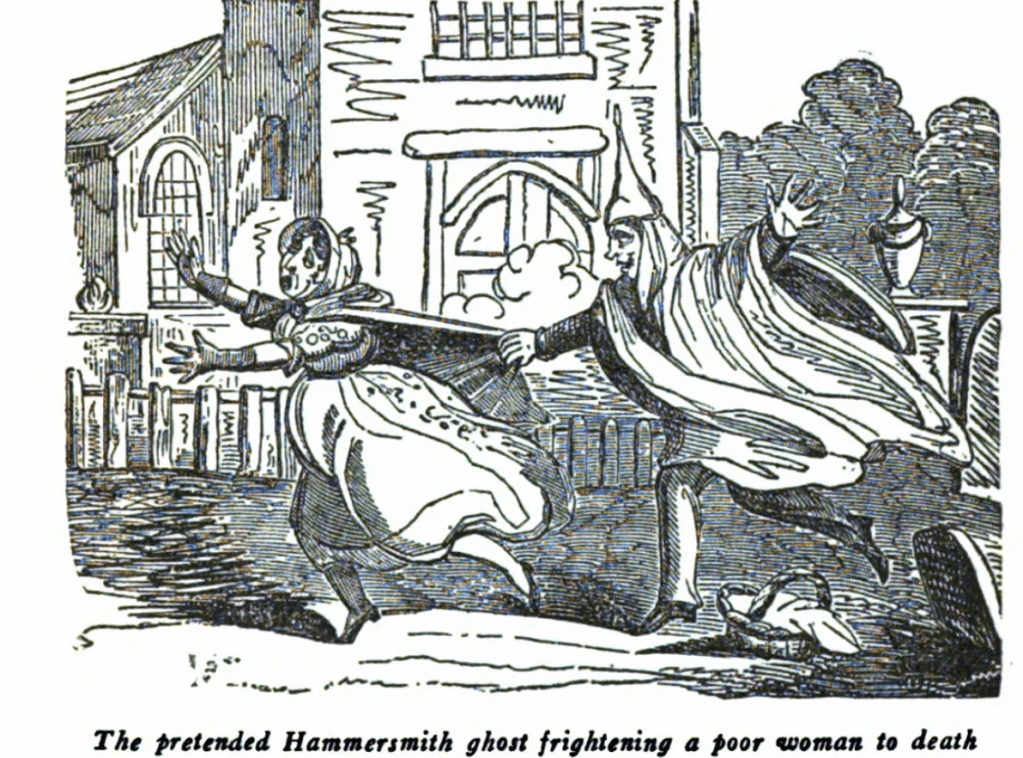
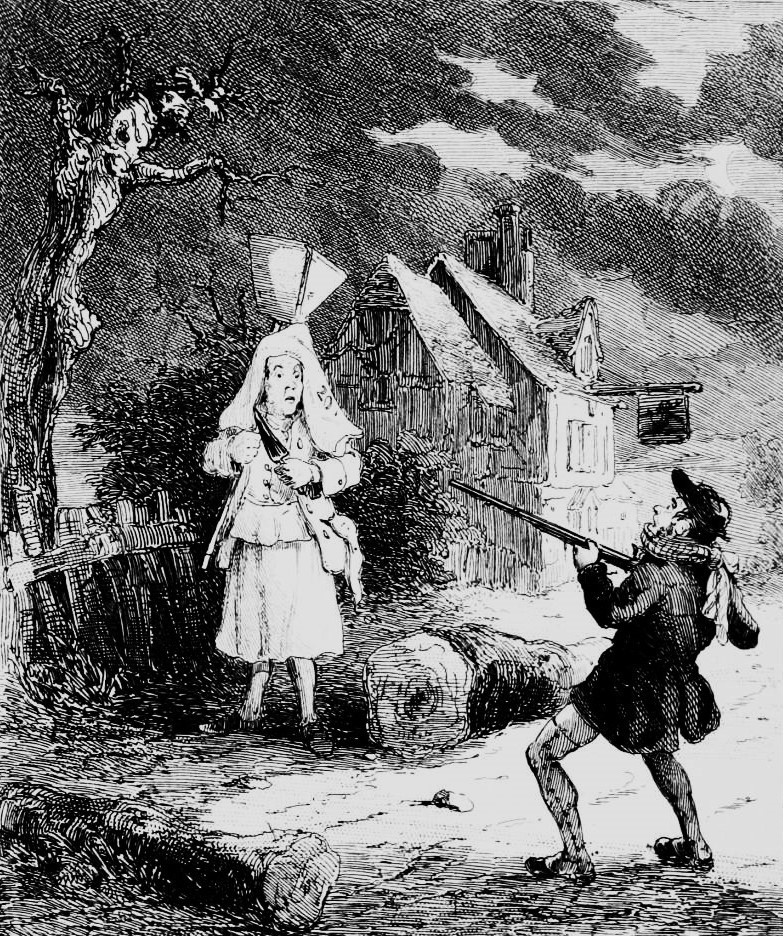
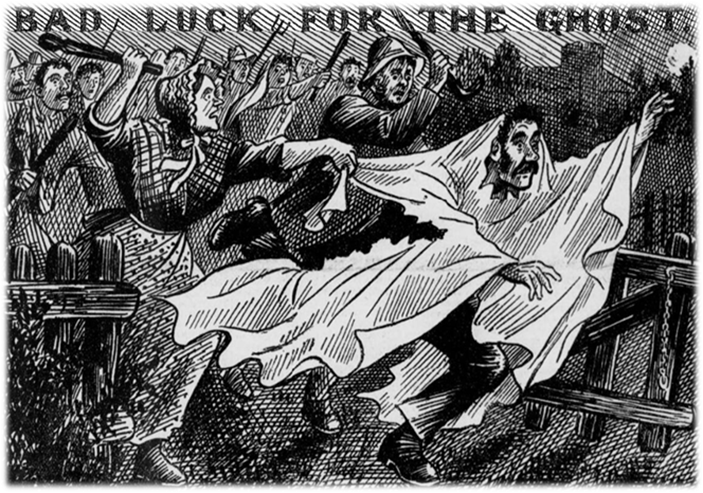
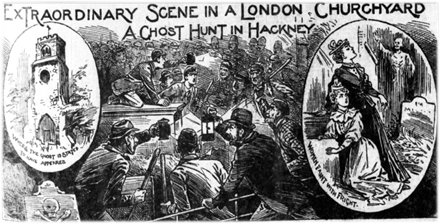
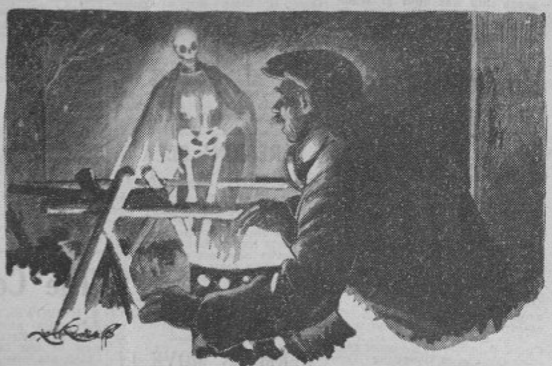


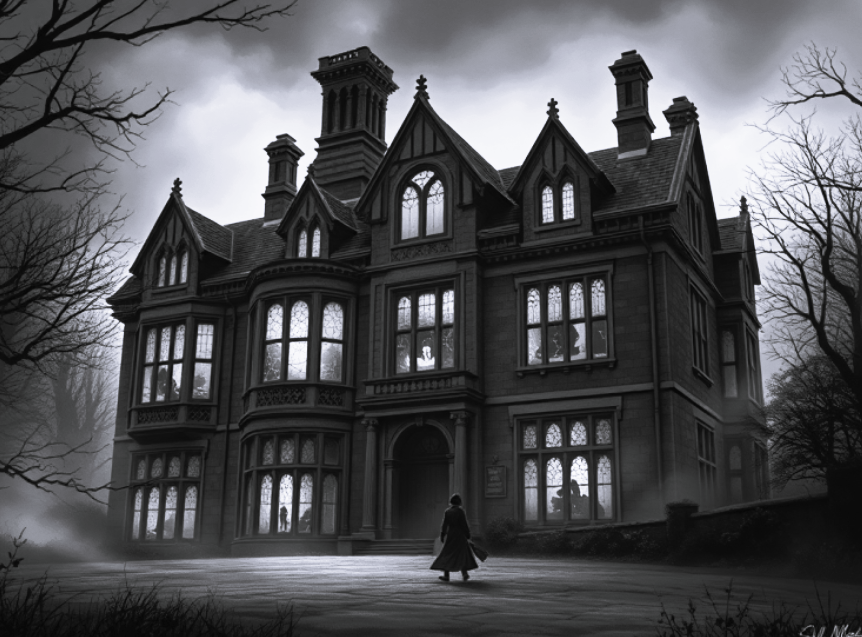
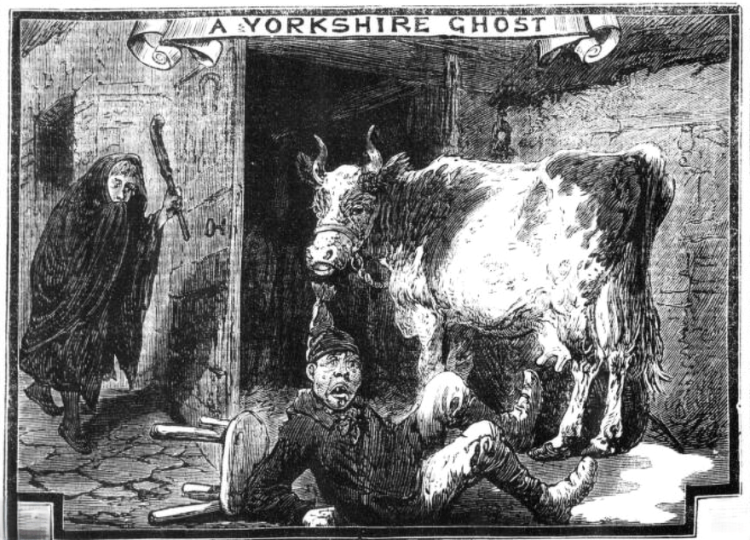


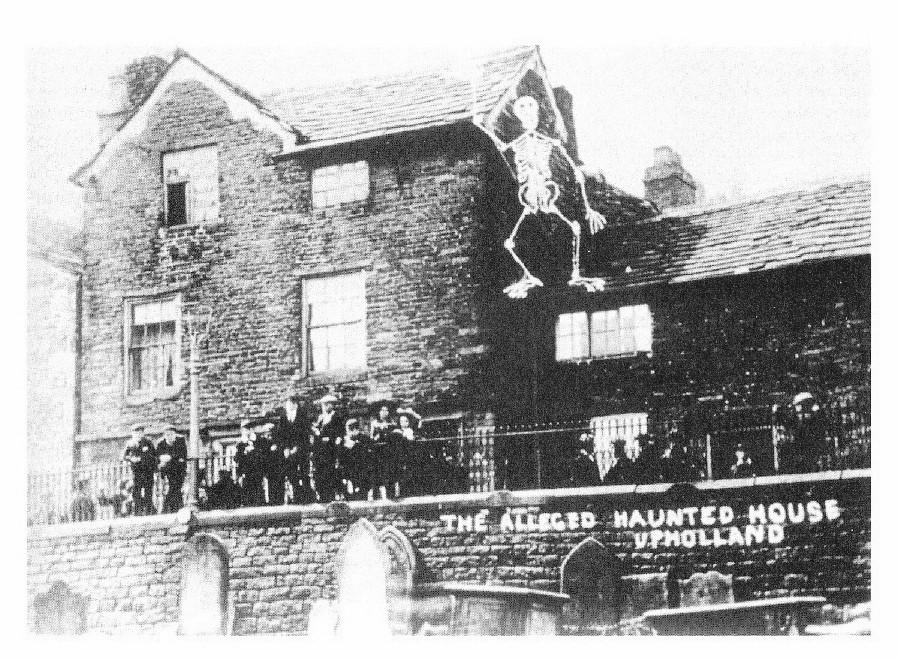


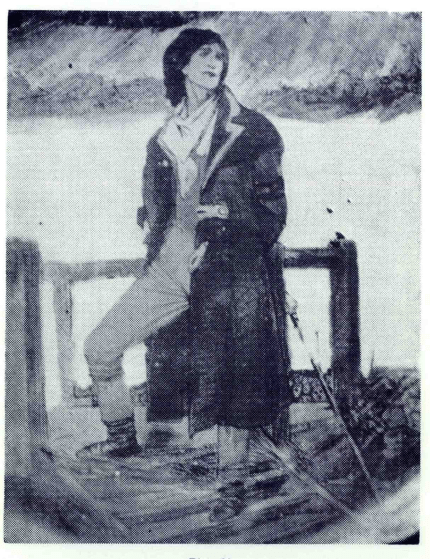
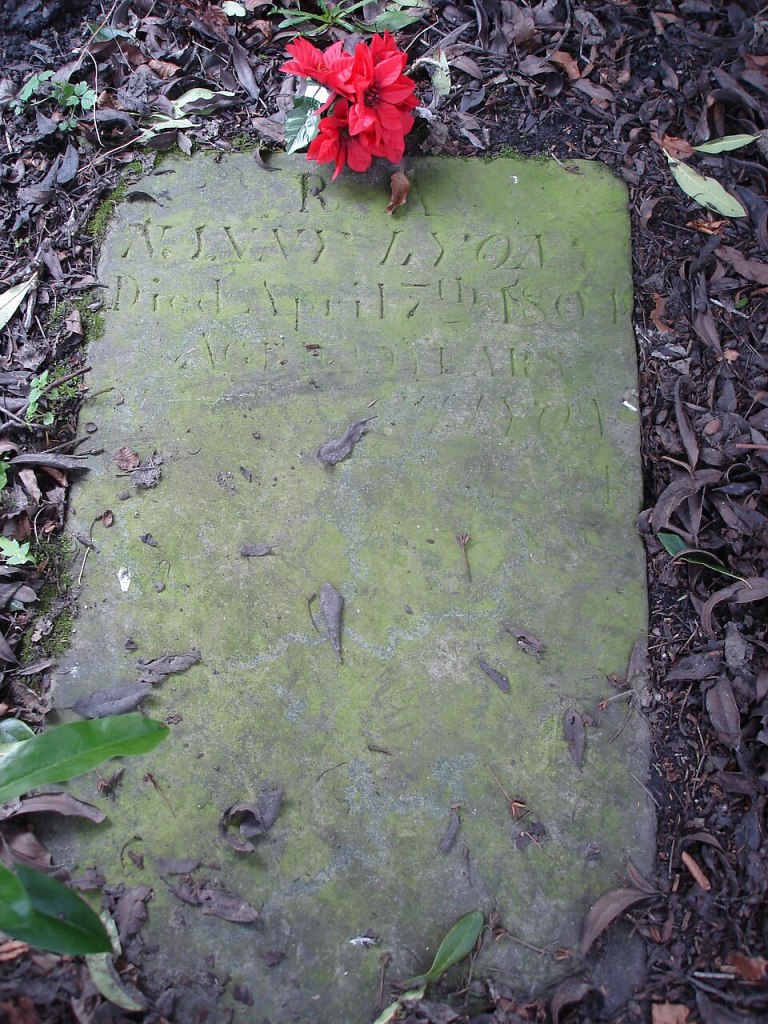




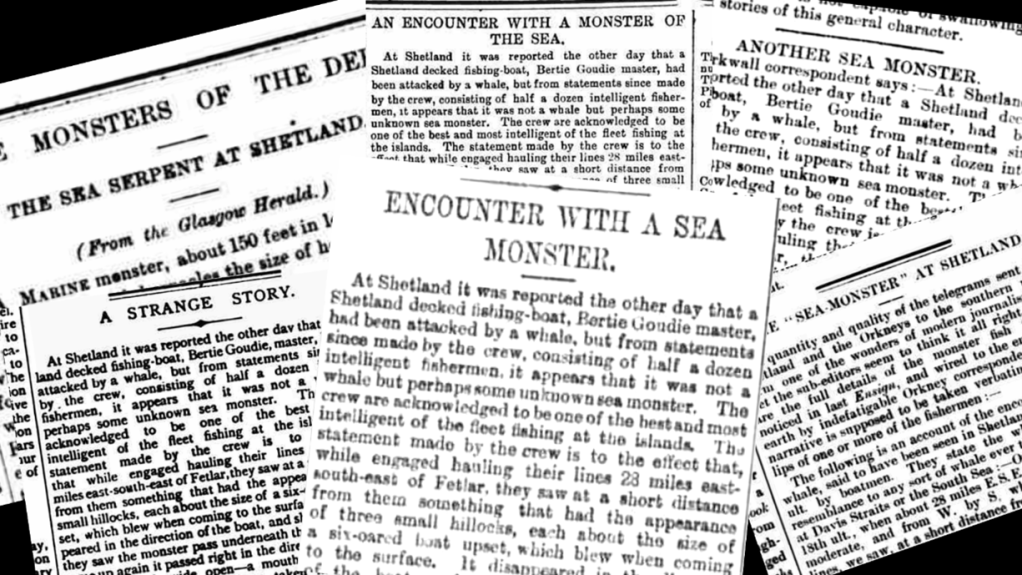



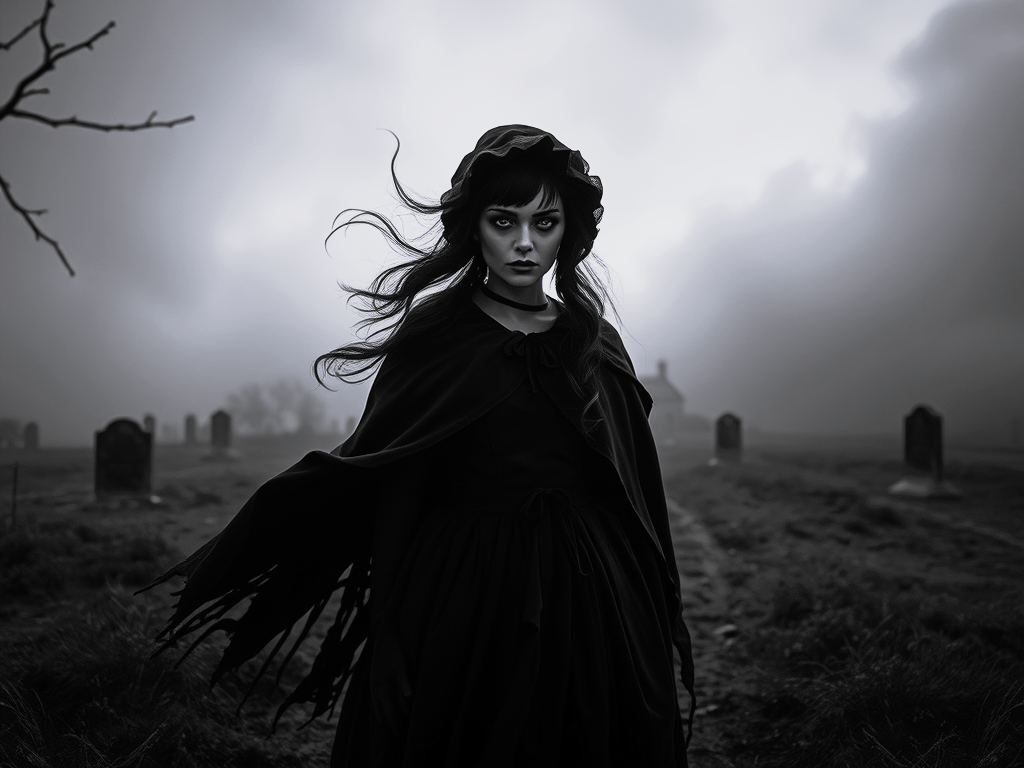
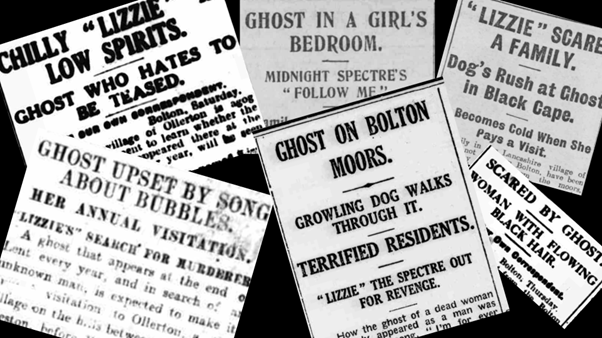
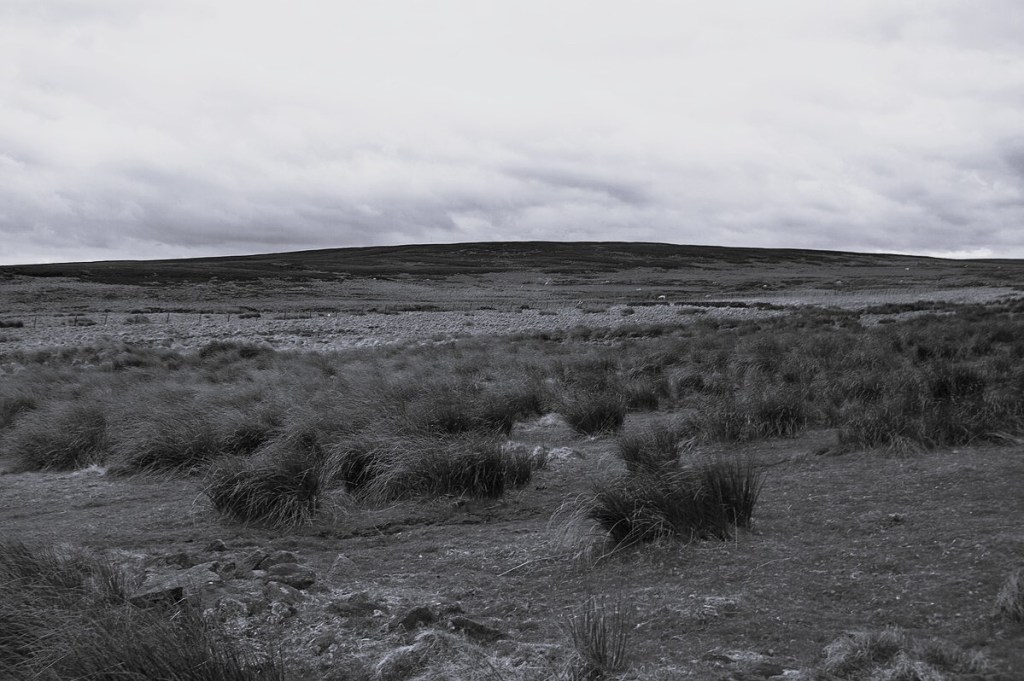


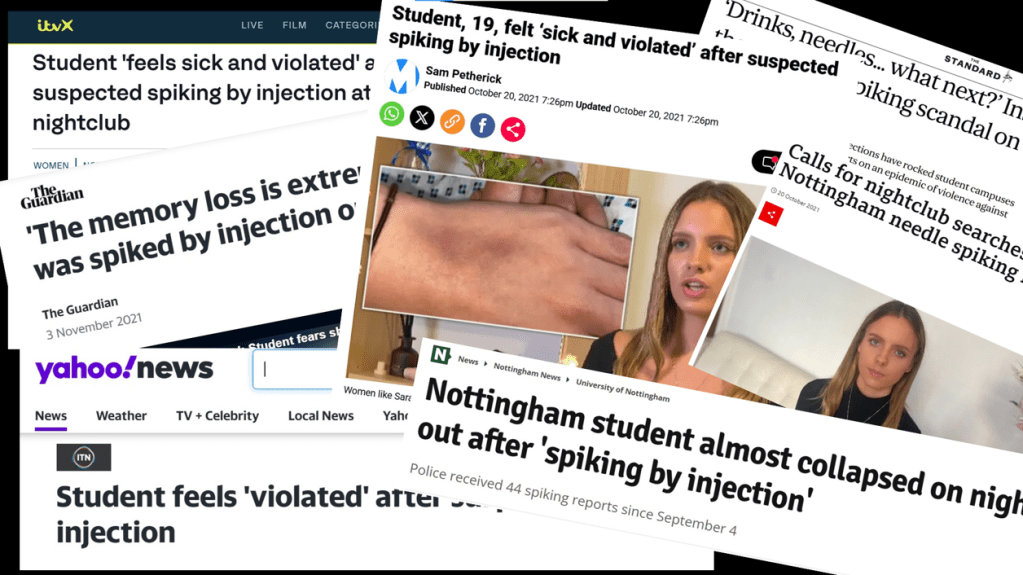
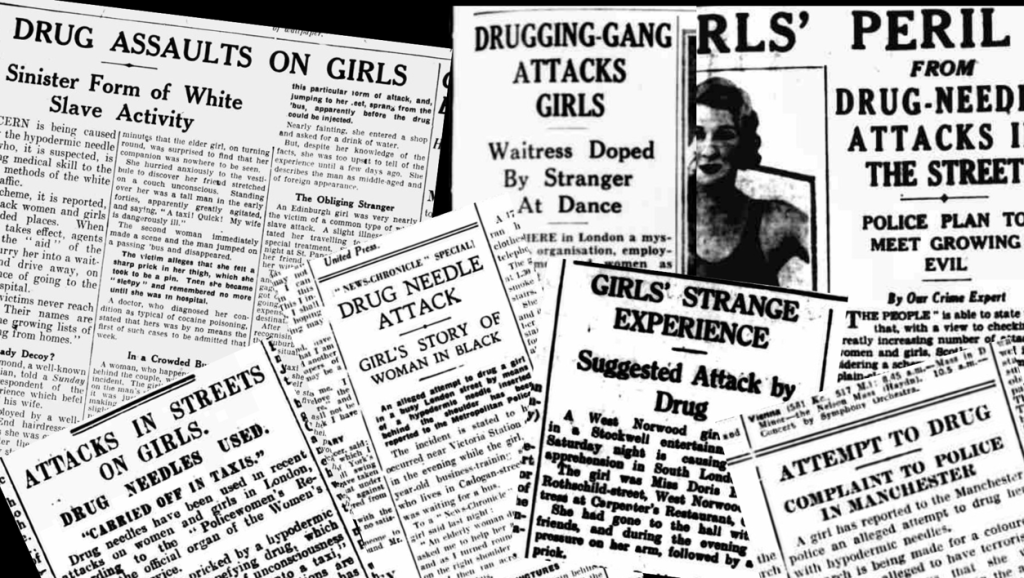


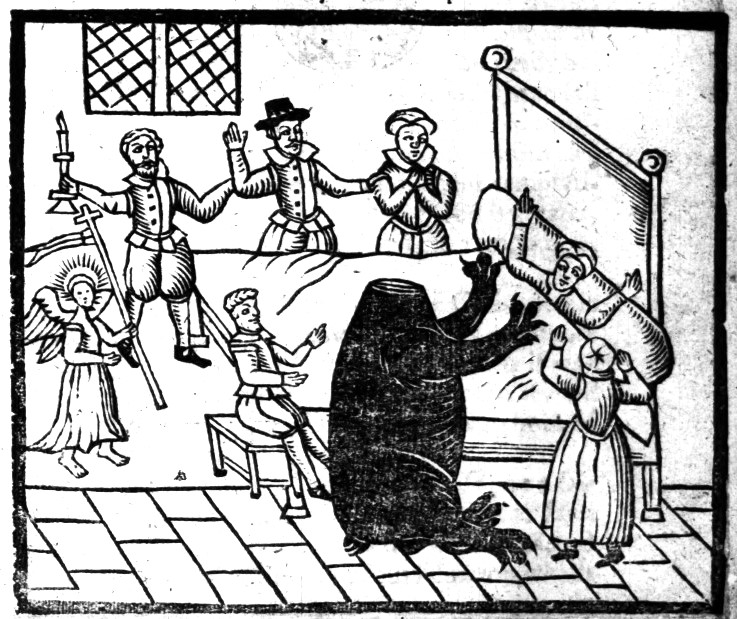
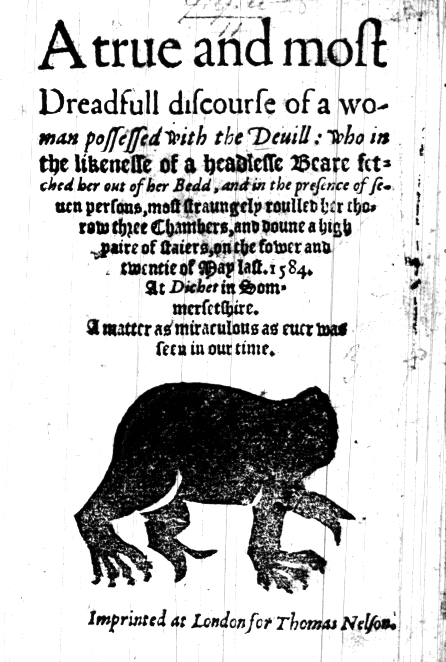

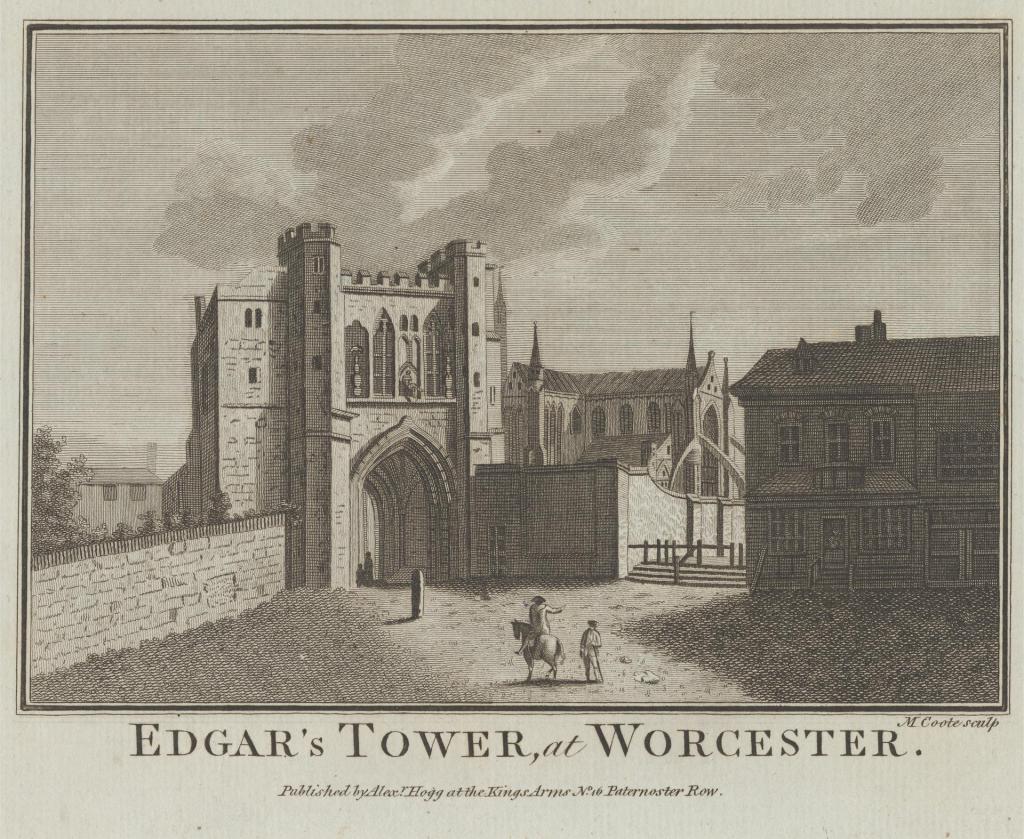
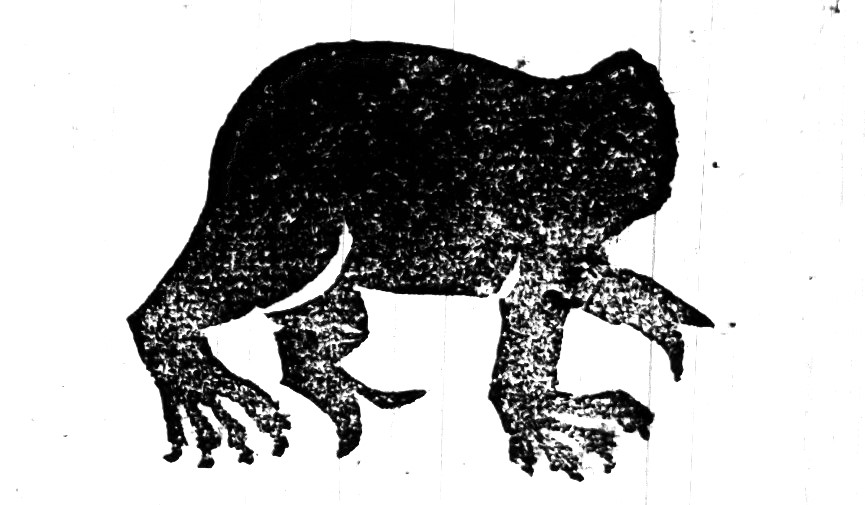




 Paul Weatherhead